
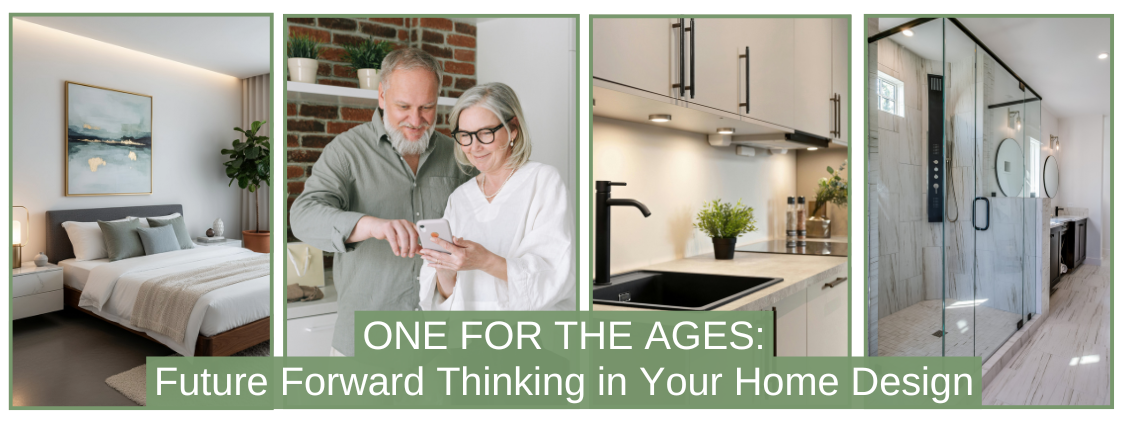
The “sandwich generation” faces the logistical, financial and emotional challenges of raising dependent children and managing the needs of aging parents. Difficult, to be sure. However, managing all of this does impart some valuable perspective on how you want to prepare for your senior years.
If living independently in your home (aging in place) is a long-term goal, there are design choices now that make the transition easier later.
Aging in place isn’t about making your home look clinical or institutional. It’s about thoughtful planning—creating flexible, beautiful spaces that evolve with you. Whether you’re building new, renovating, or simply updating finishes and furnishings, the right decisions today can support independence, safety and comfort for decades.
Start with the Big Picture: Layout & Flow
Primary Suite
Even if you love your second-floor primary suite now, think ahead. Is there:
- A first-floor office that could convert into a bedroom?
- A den or playroom that could become a primary suite?
- Space to add a full bathroom on the main level?
Designing with flexibility in mind—such as framing for a future bathroom or including a closet in a first-floor study—can make a future conversion seamless and far less expensive.
Wider Pathways & Doorways
Mobility support equipment like walkers and wheelchairs require more clearance than you may realize. Does your home design call for:
- Doorways ideally 32–36 inches wide?
- Hallways at least 36 inches wide?
- Open floor plans with clear circulation paths?
These proportions will feel generous and comfortable in family life and become essential later.
Minimal Level Changes
Step-free entries (no threshold at front or garage doors), fewer interior level changes, and flush transitions between rooms reduce trip hazards now and eliminate major barriers later.
Cook Up Kitchens That Work for Every Generation
Smart Layout Decisions
The central artery of your home can be functional for the chefs, snackers, furry friends and guests by including:
- Ample clearance (at least 42–48 inches) between counters and islands
- Open knee space under a portion of the island or perimeter counter for seated work
- Pull-out shelves and drawers instead of deep lower cabinets
- Side-opening wall ovens rather than bending to reach a range oven
These features feel like luxury conveniences now and become mobility solutions later.
Easy-to-Use Hardware & Fixtures
- Lever-style handles instead of knobs
- D-shaped cabinet pulls that are easy to grasp
- Touchless or single-lever faucets
- Drawer-style microwave placement
These small details make daily life easier for young children, busy parents and aging adults alike.
Bathrooms Designed for Long-Term Comfort
Walk-In Showers Over Tubs
While soaking tubs may appeal now, consider:
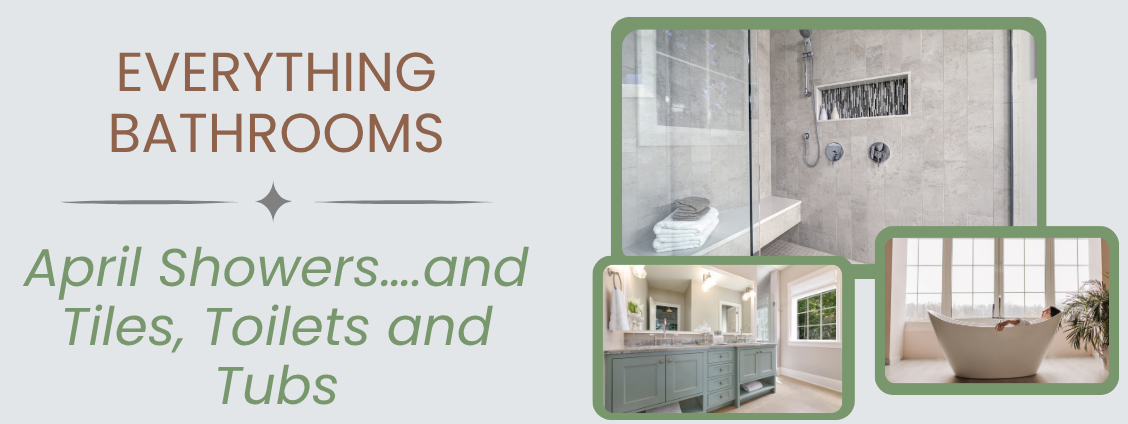
- Curbless walk-in showers
- Reinforced walls for future grab bar installation
- A built-in shower bench
- Handheld showerheads
Even if grab bars aren’t installed today, reinforcing walls during construction allows them to be added later without major renovation.
Space for Assistance or Equipment
Ensure:
- 5-foot turning radius where possible
- Ample clearance around toilets
- Comfort-height toilets
- Non-slip flooring
Double vanities are great for busy families—and provide room for a seated grooming station later.
Lighting
Aging eyes need more light, but this doesn’t have to dictate “fuddy-duddy” choices by any means. Dimmable bulbs and high-tech controls are good design at all ages. Incorporate:
- Layered lighting (ambient, task, accent)
- Under-cabinet lighting in kitchens
- Motion-sensor lighting in hallways and bathrooms
- Rocker-style light switches placed lower on walls
Good lighting improves safety and enhances design for all lifestyles and stages.
Flexible Rooms for Evolving Needs
Young Family Life
- Playrooms that later convert to guest suites
- Homework nooks that become reading areas
- Mudrooms that transition into organized storage spaces
Empty Nester Life
- Large dining rooms that convert into home offices
- Guest rooms that double as caregiver suites
- Finished basements designed with future stair lifts in mind
Technology for Independence
Today’s smart home technology can significantly support aging in place with:
- Video doorbells
- Smart thermostats
- Voice-activated lighting
- Security systems with remote monitoring
These tools provide both convenience now and safety later.
Planning Ahead with Expertise
Preparing for decades ahead isn’t about making your home look clinical or institutional. It’s about creating flexible, beautiful spaces that evolve with you. The right decisions today can support independence, safety and comfort for your whole life.
An experienced interior designer will be a great asset in achieving this goal. They may also consult with other aging specialists and online resources to optimize access and functionality. Some helpful sites include:
- National Aging in Place Council (NAIPC)
- National Association of Home Builders (NAHB) – CAPS program
- AARP HomeFit Guide
- Universal Design for Aging in Place
Here’s to leading the life you want in the home you love…for many years to come!