

When people think about estate and financial planning, they typically envision a team made up of financial advisors, attorneys, accountants, and perhaps real estate professionals. One expert rarely included in that conversation is an interior designer. However, understanding the current and future value of your home is critical to the planning process.
For many individuals and couples thinking about their retirement, their home is not only their largest financial asset but also the setting for the next phase of life. Decisions made about the home—whether to stay, modify, downsize, or sell—have significant financial, emotional, and lifestyle implications. According to Richard A. Boehm, CFP®️ and founder of Unified Wealth Management, a boutique financial planning firm:
Your home isn’t just an asset on a balance sheet. It influences cash flow, tax planning, retirement and estate decisions, and ultimately how you live day to day. When home decisions and design improvements are guided by the right design professional and aligned with a broader financial plan, they bring clarity to decision-making and enhance both your lifestyle today and your long-term financial confidence.
Thus, a seasoned, market-wise interior designer can offer valuable insight at this intersection of design, real estate valuation, and estate planning, making them an unexpected and critical contributor to your team.
Your Home: A Lifestyle Choice and a Financial Strategy
Retirement planning is no longer just about numbers on a balance sheet. It’s about quality of life, independence, safety, and flexibility. Your home plays a central role in all these areas. It is wise to understand what your home is worth today, how that value may change over time, and whether it will continue to work for you as your needs evolve.
Will your home comfortably support aging in place? Does it require updates to remain safe and functional? Or does it make more sense to invest strategically now to maximize resale value for a future relocation? These are not purely financial questions. They are design questions as well—and that is where an experienced interior designer brings unique value.
When evaluating your home as part of your estate and financial plan, several key factors deserve careful consideration:
1. Current Market Value and Future Potential
Understanding what your home is worth today is essential, but so is recognizing what influences its future value. Layout, condition, finishes, and functionality all impact market perception. A designer who understands local real estate trends can identify which aspects of your home are assets—and which may be limiting its value.
2. Suitability for Aging in Place
Many retirees hope to remain in their homes as long as possible. This requires honest evaluation of accessibility, safety, and ease of use. Narrow doorways, steep stairs, poor lighting, or outdated bathrooms can all become obstacles over time.
3. Cost vs. Return on Improvements
Not all upgrades are created equal. Some improvements significantly enhance livability and resale value, while others offer little return. Strategic planning is critical to avoid over-investing in changes that do not align with long-term goals.
4. Timing and Flexibility
Estate planning often involves contingencies. Your home should be adaptable—able to meet your needs now, appeal to future buyers later, or transition smoothly into a rental or sale if circumstances change.
5. Emotional and Lifestyle Considerations
Your home is more than an asset; it is deeply personal. How you observe holidays, sentimental attachments, where your extended family gathers, and the needs of future generations may factor in your decision-making. Estate planning must balance financial responsibility with comfort, identity, and enjoyment of daily life.
How an Interior Designer Supports the Planning Process
A seasoned interior designer brings both creative vision and practical expertise to these considerations, helping bridge the gap between lifestyle goals and financial strategy by:
Providing a Realistic Assessment of Your Home
Designers are trained to see potential—and limitations. They can objectively assess how your home functions today and how it may perform in the future, offering clarity that supports informed decision-making alongside your financial and legal advisors.
Aligning Design Decisions with Market Reality
A market-wise designer understands buyer expectations, regional preferences, and evolving design standards. This insight helps homeowners make updates that resonate broadly, protecting resale value while avoiding trends that may date quickly.
Recommending Smart, Strategic Upgrades
From kitchen and bath improvements to lighting, flooring, and space planning, designers can guide investments toward updates that enhance both daily living and long-term value. This ensures renovation dollars work harder for you.
Designing and Managing Aging-in-Place Strategies
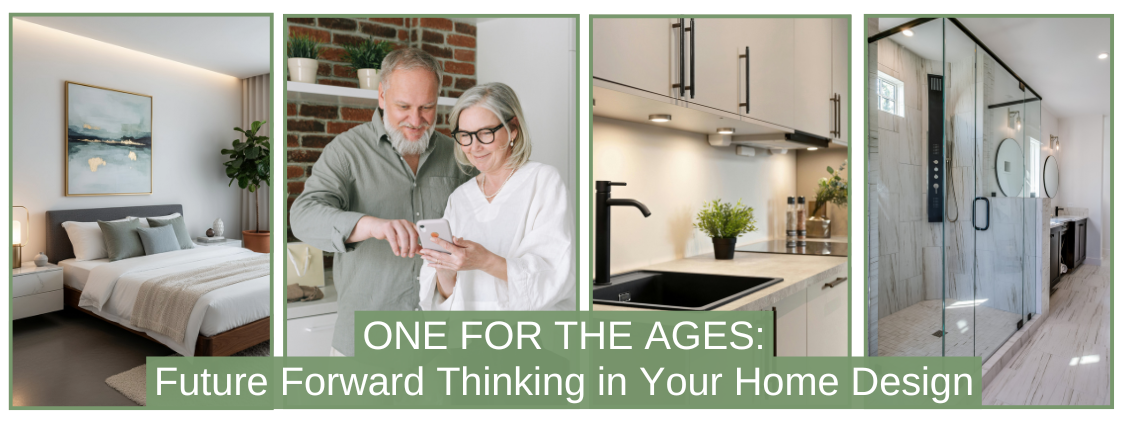
Designers experienced in universal and accessible design can integrate safety features seamlessly—such as curbless showers, improved lighting, wider circulation paths, and ergonomic layouts—without sacrificing aesthetics or value.
Creating a Home That Adapts Over Time
Flexible design solutions allow spaces to evolve with your needs, whether that means converting a first-floor room into a future bedroom, designing multifunctional spaces, or planning updates in phases aligned with financial milestones.
When interior designers collaborate with financial planners, estate attorneys, and real estate professionals, homeowners benefit from a more holistic approach. Each expert views the home through a different lens—legal, financial, market, and experiential. Together, they help ensure that decisions about your home support both your lifestyle and your legacy. Including a designer early in the planning process can also prevent costly missteps. Rather than reacting to sudden needs or rushed decisions later, homeowners gain a proactive strategy that aligns design, finances, and long-term goals.
Your estate plan is ultimately about stewardship—of your resources, your lifestyle, and your future. When thoughtfully included, an interior designer becomes not just a stylist, but a strategic partner in designing a retirement lifestyle that is comfortable, resilient, and financially sound.