

Whether you’re remodeling one room or tackling a major renovation or addition, flooring is a key component of the overall design. The options are many, but your budget, traffic, location, style and needs will steer your selection. Let’s review the various flooring types for function and durability, look and feel — from practical to luxe. Understanding the pros and cons of each material can help you make stylish and smart decisions.


Hardwood

Nothing beats the warmth and timeless appeal of real wood, ever-popular in New England homes of all sizes and styles. Types include solid hardwood (e.g., oak, maple, walnut) and engineered hardwood — a layered construction that handles humidity better.


Pros:

  • Long-lasting and can be refinished multiple times
  • Adds value to your home
  • Available in a wide variety of species, stains and finishes


Cons:

  • Expensive compared to other options
  • Susceptible to scratches, moisture and warping
  • Requires regular maintenance


Linoleum

Often confused with vinyl, linoleum is made from natural materials like linseed oil, making it an eco-friendly choice. Linoleum has seen a design resurgence thanks to modern patterns and sustainability-conscious homeowners.


Pros:

  • Biodegradable and non-toxic
  • Durable and water-resistant
  • Available in a range of colors and patterns


Cons:

  • Can fade in direct sunlight
  • Needs sealing to protect against moisture
  • Less luxurious feel compared to other options


Carpeting

Soft underfoot and cozy, carpet remains a favorite in bedrooms and family rooms. Choose from wool for durability with a luxurious touch or nylon/polyester blends.


Pros:

  • Insulates against sound and cold
  • Comfortable and slip-resistant
  • The widest range of costs from affordable mass-produced rolls to the highest luxury custom carpets.
  • Available in endless textures and colors


Cons:

  • Prone to stains, allergens and wear in high-traffic areas
  • Requires frequent vacuuming and periodic deep cleaning
  • Not suitable for damp environments like bathrooms or basements


Tile Flooring

Tile is the go-to for high-moisture areas like kitchens and baths, but it can be used to stunning effect throughout the home in foyers, dens and, well, just about everywhere. Each kind of tile has a different personality, performance profile and price range. Some evoke old-world charm, many are perfect for transitional spaces, while others offer sleek high-style minimalism and modernism.


Marble

Pros: Elegant, natural veining, high-end aesthetic, variety of color palettes, timeless
Cons: Porous, can stain easily, requires sealing, pricey


Ceramic

Pros: Durable, easy to clean, budget-friendly
Cons: Can crack under impact, cold and hard underfoot


Porcelain

Pros: Denser than ceramic, water-resistant, great for indoor/outdoor use
Cons: Heavier, requires professional installation, costlier than ceramic


Other Natural Stones (Slate, Travertine, Granite)

Pros: Unique appearance, durable, flexible style, infinite options
Cons: Varying porosity, needs maintenance, cost varies widely, certain trendy stones can become dated


Luxury Vinyl Plank

Luxury vinyl flooring (LVF) is a popular choice for both residential and commercial spaces. LVF is a high-end, versatile vinyl that mimics the look of natural materials like hardwood or stone. LVP can be installed using various methods, including click-lock, glue-down, or loose lay. This flexibility allows for DIY projects or professional installation.


Pros:

  • Looks like wood or stone at a fraction of the cost
  • Water resistant, making it a fantastic choice for kitchens, bathrooms and damp basements
  • Soft underfoot and quieter than tile


Cons:

  • While durable, LVF can scratch, dent under heavy furniture or tear from sharp edges of chair or dresser legs
  • It may wear out more quickly than natural flooring
  • Doesn’t add the same resale value as natural stone or wood flooring


Whether you crave rustic warmth, soft comfort or sleek luxury, flooring is a foundational design decision that affects every step you take at home. Choose what best suits your lifestyle — and don’t be afraid to mix materials for function and flair! Unsure about how select the best flooring for your design goals and budget? Contact us to set up a complimentary, no-obligation 30-minute phone consultation.


 

By proadAccountId-422147 June 23, 2026
Embarking on a home improvement project is an investment of time, energy, and finances. The process is creative and exciting but also intimidating. The requirements to meet and decisions to be made can be overwhelming! Success depends largely on the professionals you choose to advise you, manage the project and execute the plan. Whether you’re restyling a room or two, renovating a kitchen, remodeling a bathroom, undertaking a major renovation or building a custom home, homeowners struggle with the same questions: How do I know who to trust? What is a fair price to pay? How can I be sure the work will be high quality? Will we communicate well? Will I feel comfortable having these people in my home for weeks or months? After years of working with homeowners and project teams, I’ve learned that selecting the right architect, contractor, and (yes) interior designer is just as important as selecting the right finishes or creating the perfect floor plan. The best partnerships are built on trust, transparency, expertise, and shared expectations. Here are practical steps you can take to find and vet the project partners who are right for you. Personal recommendations from people you know remain one of the most valuable resources available. Ask friends, family, neighbors, and local professionals about their experiences. Nothing beats honest word of mouth and testimonials. Two-ways conversations cultivate a deeper appreciation of that project’s idiosyncrasies and challenges and how the partner managed them. Online reviews can also be very helpful, but don’t focus solely on star ratings. Look for consistent themes in the feedback. Did the company communicate well? Did they finish on time? Were unexpected issues handled professionally? Interview multiple candidates. Even if the first company you meet seems impressive, interview at least three qualified professionals or organizations. Every team has a different approach, personality, and process. Pay attention not only to their answers but also to how they listen and address your unique concerns. The best partners first ask thoughtful questions about your goals, budget, lifestyle, and priorities before proposing solutions. Understand pricing beyond the bottom line. I can’t tell you how many clients share their buyer’s remorse after choosing solely based on the lowest bid. A proposal that may seem less expensive can end up costing more if it excludes important services, skimps on quality materials, or excludes project management, permits, and contingency planning. Conversely, the highest price doesn’t always guarantee the best outcome. When reviewing proposals, ensure you’re comparing apples to apples. Prepare a side-by-side line-item comparison. What is included in the proposal? What assumptions were made? How are changes handled? What factors could affect final costs? A fair price is one that delivers value, quality, and a predictable process—not simply the lowest number. Additionally, a trustworthy partner will be as transparent as possible, answering all your questions with professionalism. If your guts tells you something is “off”, listen to your instincts. (More on this below.) Verify credentials and experience. Verify licenses, insurance, certifications, and professional affiliations. Ask how long they have been in business, and request examples of projects similar in scope to yours. A developer who excels at building new homes may not be the best fit for a historic renovation. Likewise, an interior designer, though experienced and renowned, may not be ideal for your remodeling project if their deeply ingrained style doesn’t align with your vision. Ask their references: Was the project completed on budget? How were problems handled? Was communication timely and clear? Would you hire them again? What would you do differently? These conversations often reveal the realities of working together day-to-day. Technical expertise is critical, but chemistry matters too. Your project team will be in your home (often when you’re out), discussing finances, solving problems, and making hundreds of decisions with you over the course of the project. If communication feels uncomfortable during the interview stage, it likely won’t improve once construction begins. Choose professionals you “vibe” with and who make you feel heard, respected, and confident. In sum: Top 10 Criteria for Selecting Home Improvement Partners Experience with Similar Projects - Look for professionals who have successfully completed projects comparable in size, scope, style, and complexity. Communication Skills – Clear, consistent communication prevents misunderstandings and keeps projects moving forward. Reputation and References – Strong client testimonials and referrals often predict future performance. Transparency - Reliable professionals openly discuss pricing, timelines, risks, and expectations. Professional Credentials – Verify licenses, insurance, certifications, and industry memberships. Project Management Process – Ask how schedules, budgets, subcontractors, and change orders are managed. Design and Technical Expertise – Review portfolios and examples of completed work to evaluate creativity, craftsmanship, and attention to detail. Financial Stability – Established firms with strong business practices are better positioned to deliver consistent results. Compatibility and Trust – You’ll spend significant time working together. Mutual respect and trust are essential. Commitment to Quality – Ask how quality control is maintained throughout design, engineering, procurement, and construction. The best home improvement projects are rarely the result of luck. When you work to find a team that combines expertise, transparency, communication, and integrity, you’ll gain more than a contractor, architect, or interior designer—you’ll gain advisors who can help transform your vision into spaces that work. Build your trusted team and projects that come after will be a piece of cake! Your home deserves nothing less.
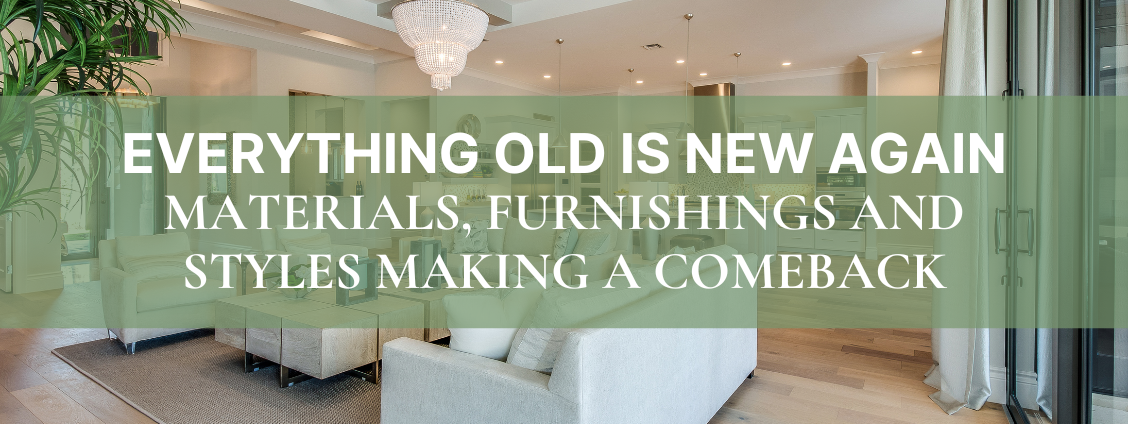
Text banner over a bright room: “EVERYTHING OLD IS NEW AGAIN” with “MATERIALS, FURNISHINGS AND STYLES MAKING A COMEBACK”
By proadAccountId-422147 May 27, 2026
Vintage style is making a comeback with modern updates that blend timeless charm, smart technology, sustainability, and everyday comfort.
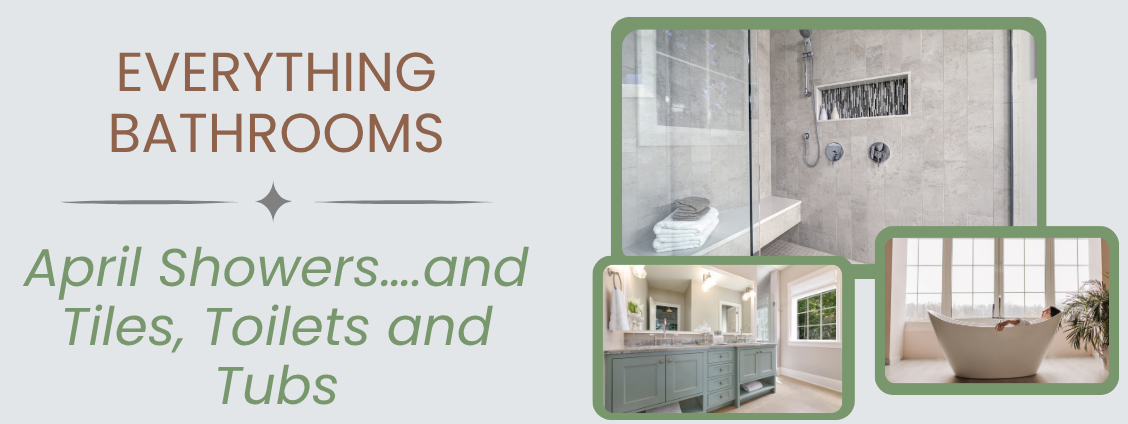
Bathroom remodeling ad with green-bordered photos of tiled showers and baths, and text about aprons, tiles, toilets, and tubs
By proadAccountId-422147 April 27, 2026
Refresh your bathroom this spring with smart design ideas, stylish upgrades, and functional features that bring comfort, efficiency, and everyday luxury home.
A collage showing home maintenance tasks: roof repair, attic inspection, gardening, and paving, titled
By proadAccountId-422147 March 25, 2026
Winter's gone — is your home ready? Check your roof, gutters, foundation, deck, and more with Susan's spring home maintenance bootcamp checklist.
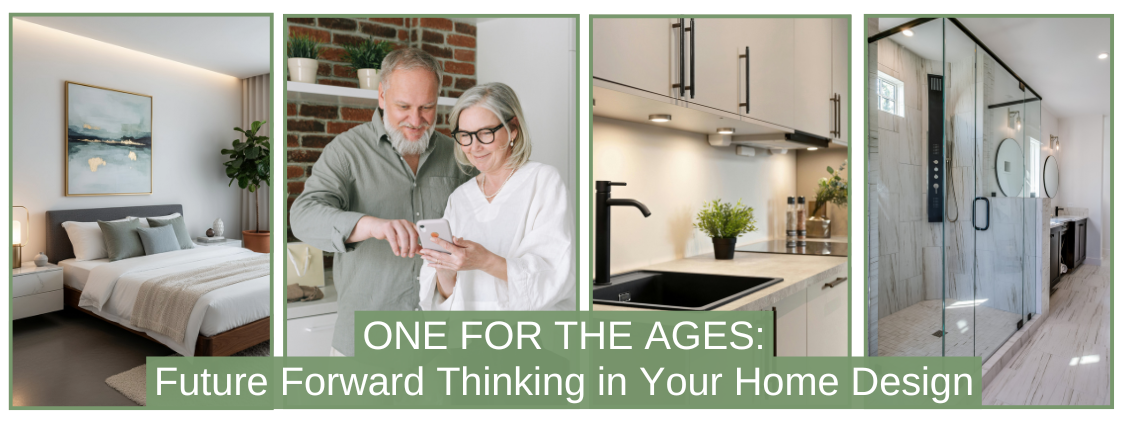
Four photos: bedroom, elderly couple, kitchen, bathroom. Text:
By proadAccountId-422147 February 23, 2026
Thoughtful design today makes aging in place easier tomorrow. Learn how flexible layouts, smart features, and planning ahead support lifelong independence.
Happy couple in front of a house, text reads
By proadAccountId-422147 January 27, 2026
Discover how interior design supports retirement planning—balancing lifestyle, aging in place, and home value to create comfort, flexibility, and long-term confidence.
Cozy living room with candles, sofa, cat, and text:
By proadAccountId-422147 December 22, 2025
Discover warm, stylish, and thoughtful ways to elevate your home for the holidays—cozy decor, festive tables, and tips for family and pets.
Banner with plant decor in different rooms and text: Bringing the outdoors in, living beautifully with plant décor.
By proadAccountId-422147 November 19, 2025
Indoor plants offer year-round beauty, better air quality, and a calming presence. Learn how to choose, style, and enjoy greenery in every room of your home.
A banner with a house, bathroom, and kitchen images, discussing
By proadAccountId-422147 October 22, 2025
Learn how to keep your home fresh, functional, and market-ready—boosting comfort, style, and long-term resale value with smart updates and organization.
Show More