


I recently relocated my home and office a few towns over. The process of packing/unpacking, organizing, moving, and renovating has certainly forced me to practice what I preach to my clients! It’s reinforced many of my core values about customizing design around individual taste and function, while balancing some tried and true principles, practicality and an eye for resale.


So, before you move to a new home or office, let’s review the basics.


Start with what you love

Before you begin wrapping up and labeling breakables and setting aside valuables, walk around your current home. Reflect on what gives you a smile, a sentimental boost, a sense of calm or helps truly define your taste. Then ask yourself:


  • Can I imagine my new home without these items? Take the “must haves” with you and we’ll incorporate them into your new spaces.
  • Am I attached but I feel like it’s time to start fresh and style anew? Don’t let guilt or “what if” hold you back. Sell, donate or gift your item to be loved by someone else.
  • Do I have cool items that are underutilized or hidden among my current décor? Whether decorative or functional, let’s think about giving them new life in your new home!


Tackle a little organizing every day

Even the most minimalist of us have lots of “stuff” that can be daunting to organize and move. (In my assessment you truly only regularly use 20 percent of what you have.) My approach is to start early, break up the home into manageable chunks and begin with the rooms and items you use least frequently. Throughout the process always have boxes handy for donations and or items to sell. Be tough and objective. Less is more. Honestly!


My first-in-moving-boxes focus has generally been:


  • Dining room – formal dinnerware, flatware, glasses, serving pieces, etc.
  • Living room/library/den – fragile decorative items/tchotchkes, objets d’art, books
  • Bar – glassware, infrequently used alcohol, shakers and trays
  • Kitchen – serving platters, obscure (but occasionally needed) small appliances, extra sets of dishes
  • Unused bathrooms and guest rooms including linens and towels
  • Closets – out-of-season coats, shoes and boots, sweaters, sports equipment, holiday décor, etc.


In my experience, if you’re doing it all yourself, remember the 80/20 rule. The first 80 percent of your possessions, only uses up 20 percent of your decision-making power and packing energy because it’s very clear what needs to be done. It’s the final 20 percent that can be disproportionately stressful — it’s more time sensitive, it’s composed of smaller uncategorized items, it’s things you need to use up until the last minute. So, the more you can clear out early, the more space you’ll have to work with in those final, inevitably chaotic days.


On another note, painter’s tape and Sharpies can be your best friends. Be clear about what is in your boxes and their destination. Same is true for furniture, lamps, and rugs.


Prioritize your new home’s projects

If your new living spaces are in 100 percent move-in condition, congratulations! If not, embarking on what needs to be done to make it YOUR home is a matter of budget, timing and lifestyle. Only you know what you can live with and what you can afford in the short- and longer-terms.


Some thoughts to get started:


  • Are you a large family that’s all about eating together and your new home’s kitchen is kind of tired? Here are some options:
  • Make a plan for a renovation so you can budget for the future work and also redesign with the future changes in mind.
  • Consider replacing one or all of the cabinets, countertops and/or the backsplash without changing the footprint.
  • Paint cabinets for a simple refresh.


  • Can you tell the home was well-loved by pets and kids? Start life in your new home with a freshening.
  • Paint, paint, paint to make the look and feel your own
  • Refinish wood flooring
  • Replace worn-out carpeting


  • Do the bathrooms feel more-than-lived-in? Think about updating with some never-used bathroom furnishings and fixtures.
  • Upgrade to sparkling new vanities and countertops; available at all price points and levels of customization
  • Exchange the hardware for a low-budget makeover
  • Install one high-end item like a towel warmer or beautiful light fixture to up the luxe factor


It’s hard work but hopefully your move, like mine, lands you in spaces that give you joy, security and optimal functionality! I’m here to help refer the best movers who can handle any items and assist you in readying your new home for an efficient and happy transition.

By proadAccountId-422147 June 23, 2026
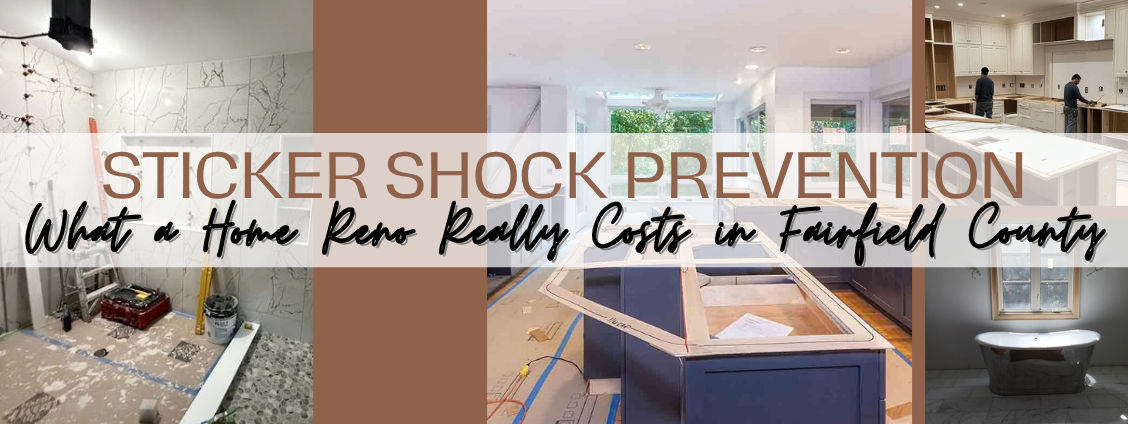
Embarking on a home improvement project is an investment of time, energy, and finances. The process is creative and exciting but also intimidating. The requirements to meet and decisions to be made can be overwhelming! Success depends largely on the professionals you choose to advise you, manage the project and execute the plan. Whether you’re restyling a room or two, renovating a kitchen, remodeling a bathroom, undertaking a major renovation or building a custom home, homeowners struggle with the same questions: How do I know who to trust? What is a fair price to pay? How can I be sure the work will be high quality? Will we communicate well? Will I feel comfortable having these people in my home for weeks or months? After years of working with homeowners and project teams, I’ve learned that selecting the right architect, contractor, and (yes) interior designer is just as important as selecting the right finishes or creating the perfect floor plan. The best partnerships are built on trust, transparency, expertise, and shared expectations. Here are practical steps you can take to find and vet the project partners who are right for you. Personal recommendations from people you know remain one of the most valuable resources available. Ask friends, family, neighbors, and local professionals about their experiences. Nothing beats honest word of mouth and testimonials. Two-ways conversations cultivate a deeper appreciation of that project’s idiosyncrasies and challenges and how the partner managed them. Online reviews can also be very helpful, but don’t focus solely on star ratings. Look for consistent themes in the feedback. Did the company communicate well? Did they finish on time? Were unexpected issues handled professionally? Interview multiple candidates. Even if the first company you meet seems impressive, interview at least three qualified professionals or organizations. Every team has a different approach, personality, and process. Pay attention not only to their answers but also to how they listen and address your unique concerns. The best partners first ask thoughtful questions about your goals, budget, lifestyle, and priorities before proposing solutions. Understand pricing beyond the bottom line. I can’t tell you how many clients share their buyer’s remorse after choosing solely based on the lowest bid. A proposal that may seem less expensive can end up costing more if it excludes important services, skimps on quality materials, or excludes project management, permits, and contingency planning. Conversely, the highest price doesn’t always guarantee the best outcome. When reviewing proposals, ensure you’re comparing apples to apples. Prepare a side-by-side line-item comparison. What is included in the proposal? What assumptions were made? How are changes handled? What factors could affect final costs? A fair price is one that delivers value, quality, and a predictable process—not simply the lowest number. Additionally, a trustworthy partner will be as transparent as possible, answering all your questions with professionalism. If your guts tells you something is “off”, listen to your instincts. (More on this below.) Verify credentials and experience. Verify licenses, insurance, certifications, and professional affiliations. Ask how long they have been in business, and request examples of projects similar in scope to yours. A developer who excels at building new homes may not be the best fit for a historic renovation. Likewise, an interior designer, though experienced and renowned, may not be ideal for your remodeling project if their deeply ingrained style doesn’t align with your vision. Ask their references: Was the project completed on budget? How were problems handled? Was communication timely and clear? Would you hire them again? What would you do differently? These conversations often reveal the realities of working together day-to-day. Technical expertise is critical, but chemistry matters too. Your project team will be in your home (often when you’re out), discussing finances, solving problems, and making hundreds of decisions with you over the course of the project. If communication feels uncomfortable during the interview stage, it likely won’t improve once construction begins. Choose professionals you “vibe” with and who make you feel heard, respected, and confident. In sum: Top 10 Criteria for Selecting Home Improvement Partners Experience with Similar Projects - Look for professionals who have successfully completed projects comparable in size, scope, style, and complexity. Communication Skills – Clear, consistent communication prevents misunderstandings and keeps projects moving forward. Reputation and References – Strong client testimonials and referrals often predict future performance. Transparency - Reliable professionals openly discuss pricing, timelines, risks, and expectations. Professional Credentials – Verify licenses, insurance, certifications, and industry memberships. Project Management Process – Ask how schedules, budgets, subcontractors, and change orders are managed. Design and Technical Expertise – Review portfolios and examples of completed work to evaluate creativity, craftsmanship, and attention to detail. Financial Stability – Established firms with strong business practices are better positioned to deliver consistent results. Compatibility and Trust – You’ll spend significant time working together. Mutual respect and trust are essential. Commitment to Quality – Ask how quality control is maintained throughout design, engineering, procurement, and construction. The best home improvement projects are rarely the result of luck. When you work to find a team that combines expertise, transparency, communication, and integrity, you’ll gain more than a contractor, architect, or interior designer—you’ll gain advisors who can help transform your vision into spaces that work. Build your trusted team and projects that come after will be a piece of cake! Your home deserves nothing less.
Text banner over a bright room: “EVERYTHING OLD IS NEW AGAIN” with “MATERIALS, FURNISHINGS AND STYLES MAKING A COMEBACK”
By proadAccountId-422147 May 27, 2026
Vintage style is making a comeback with modern updates that blend timeless charm, smart technology, sustainability, and everyday comfort.
Bathroom remodeling ad with green-bordered photos of tiled showers and baths, and text about aprons, tiles, toilets, and tubs
By proadAccountId-422147 April 27, 2026
Refresh your bathroom this spring with smart design ideas, stylish upgrades, and functional features that bring comfort, efficiency, and everyday luxury home.
A collage showing home maintenance tasks: roof repair, attic inspection, gardening, and paving, titled
By proadAccountId-422147 March 25, 2026
Winter's gone — is your home ready? Check your roof, gutters, foundation, deck, and more with Susan's spring home maintenance bootcamp checklist.
Four photos: bedroom, elderly couple, kitchen, bathroom. Text:
By proadAccountId-422147 February 23, 2026
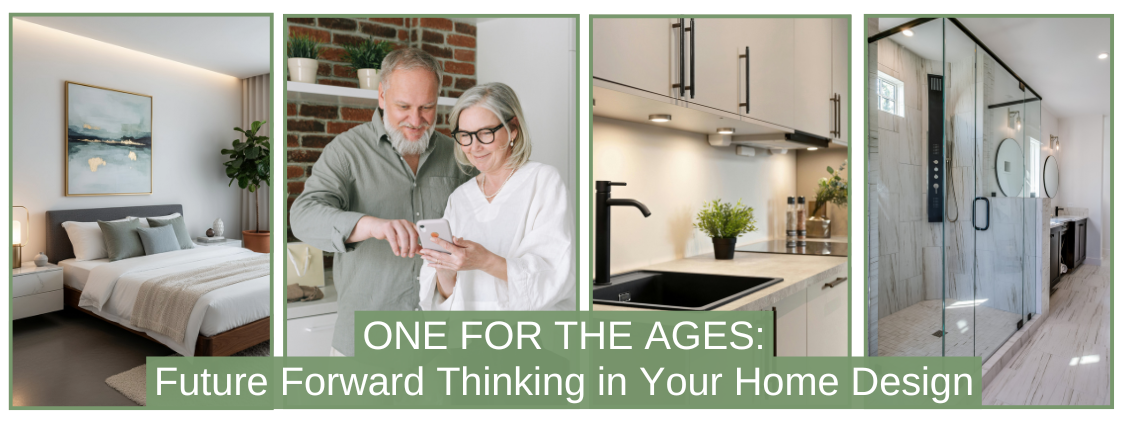
Thoughtful design today makes aging in place easier tomorrow. Learn how flexible layouts, smart features, and planning ahead support lifelong independence.
Happy couple in front of a house, text reads
By proadAccountId-422147 January 27, 2026
Discover how interior design supports retirement planning—balancing lifestyle, aging in place, and home value to create comfort, flexibility, and long-term confidence.
Cozy living room with candles, sofa, cat, and text:
By proadAccountId-422147 December 22, 2025
Discover warm, stylish, and thoughtful ways to elevate your home for the holidays—cozy decor, festive tables, and tips for family and pets.
Banner with plant decor in different rooms and text: Bringing the outdoors in, living beautifully with plant décor.
By proadAccountId-422147 November 19, 2025
Indoor plants offer year-round beauty, better air quality, and a calming presence. Learn how to choose, style, and enjoy greenery in every room of your home.
A banner with a house, bathroom, and kitchen images, discussing
By proadAccountId-422147 October 22, 2025
Learn how to keep your home fresh, functional, and market-ready—boosting comfort, style, and long-term resale value with smart updates and organization.
Show More