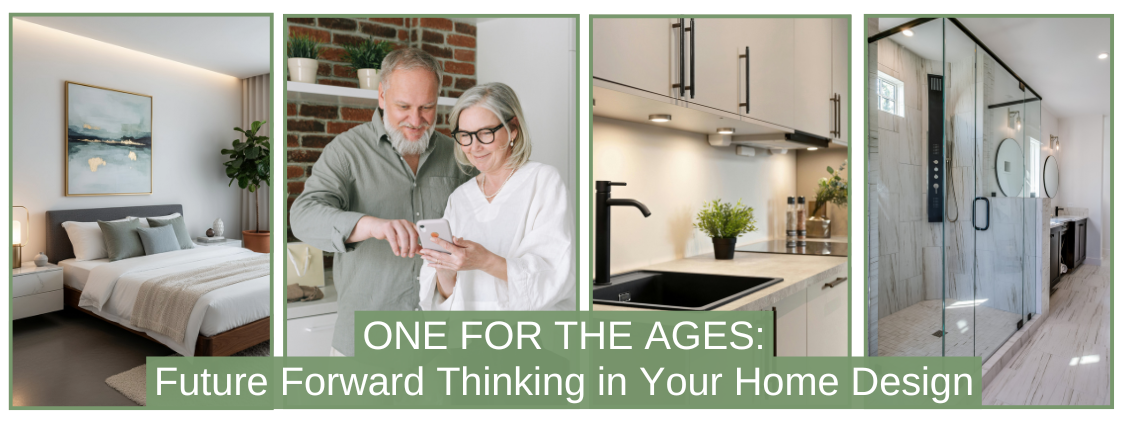

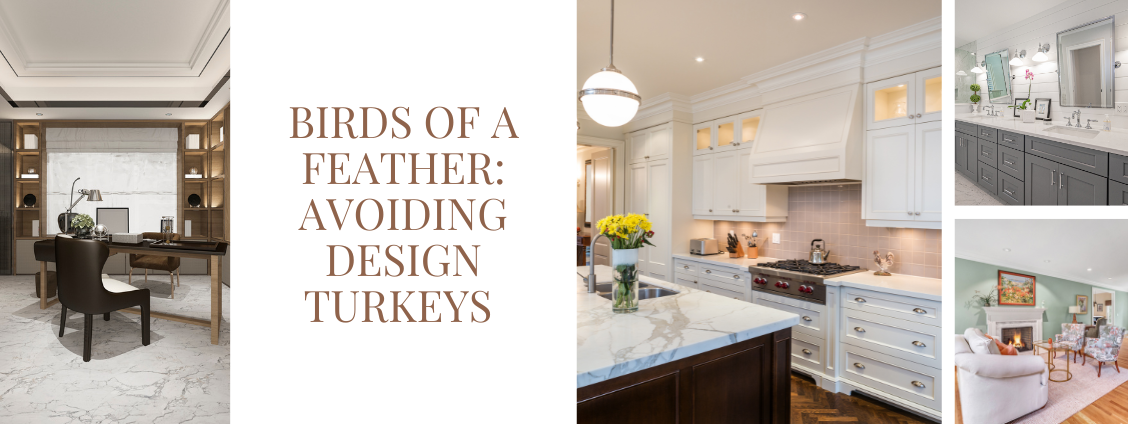
Great design stands the test of time. When all the elements of architecture and interior styling are harmonious, a home, office or retail space can look beautiful and function effectively for the long term. Naturally, there are elements that will be updated based on technological advancements, wear and tear and popular tastes. But with well-designed spaces, a foundational core aesthetic will guide these updates. 


How do you arrive at design that lasts?

  1. Build your spaces and select your furnishings around solid principles.
  2. Seek out experienced design professionals who can integrate your needs and tastes today into plans that are flexible enough for future occupants to make their own.
  3. Avoid relying solely on what’s super trendy to drive your decision-making.


Let’s review some examples of when design could go askew and how I have addressed similar challenges.


Don’t Ignore the Basics

There is nothing wrong with pushing boundaries in your design if basic principles adhered to:
 

  • The design is functionally strong with well-designed zones and good flow
  • The scale and proportion are right between ceiling height, room size, furniture heft, as well as the people who will occupy the spaces
  • The amount of natural light, connection to the outdoors and window views are optimized
  • The spaces are livable and comfortable to live, work and entertain in
  • The architecture and engineering are structurally sound; layout and materials are sustainable and durable


Sometimes there is a tension between these principles and the homeowner’s vision. For instance, consider the clients who want full open concept and airiness in older, traditional homes. I love opening and connecting spaces — bringing modernity, flow and freshness to contrast into disjointed rooms — but removing too many interior boundaries (both visually and practically) is not advisable.


I’ve seen open concept design that was executed without regard for basic principles and the outcome was an aimless hodgepodge. The resulting home was stripped of its historical features and context (and probably some of its intrinsic value), lacked a logical flow and activity zones, needed more cabinetry and wall space for furniture placement and art, and forgot to factor in any need for privacy. This underlines the importance of clients doing the upfront work with an experienced interior designer and other professionals to produce the look and feel they want balanced with the structure, layout and furnishings that will endure.


Stay Uniquely Desirable

Another role of the designer is to steer clients toward evergreen choices, spaces and furnishings that work today, tomorrow and even for future buyers of the home. Highly personal choices may not translate well into the future or when the home is for sale to homeowners with different tastes.


For example, a room with an overly themed design (such as a space theme for a child’s bedroom or a very distinctive music collection-inspired living room) may not work as tastes change, children grow or appeal to future buyers, who might prefer something more neutral or adaptable. Pulling down built ins, repainting or redesigning these rooms can be time-consuming and expensive, especially if wallpaper or unique finishes are difficult to remove.


Again, this is not to suggest that a client shouldn’t add their own flair, select distinctive favorite colors, or use a space for a specific, albeit unusual, function. Everyone’s homes and workspaces should elicit joy! Rather, designers should help clients consider the long-term viability of their spaces and the future costs of updating or renovating as needs change.


Weigh Your Trend Options

Designers innovate, popular styles evolve, social norms change… and “everything old is new again” certainly describes the ongoing mid-century modern craze. As a homeowner, you should freely embrace trends when they meet functional needs, match with your vision, and when they deliver good quality for the price points. However, in recent years I’ve found some trendy choices, in both broad design and specific items that I think need to be deeply considered or further researched/improved before committing.


Open shelving, especially in kitchens, has been a popular trend for a while now.

  • Pros: Great for displaying favorite dishes, glassware or decorative items.
  • Cons: Takes a commitment to dusting and tidying if items are in use. Can become cluttered and, over time, items can look dated.


The ultra-minimalist, all-neutral vibe is ubiquitous.

  • Pros: Sophisticated, minimalist interiors and neutrals can be really beautiful, dramatic, rich and/or calming.
  • Cons: Minimalism can feel too impersonal or sterile if it’s devoid of personal touches, pops of color or lacks layered textures. There needs to be a balance of warm neutrals to avoid the museum feeling and make it approachable for the next potential owner.
     

Smart homes, appliances and devices are no longer a futuristic vision or only for the rich and famous.

  • Pros: The ability to optimize your home cooling and heating, adjust your music volume, or turn off your oven via your smart phone is great for convenience, safety, economics and the environment.
  • Cons: Avoid buyer's remorse. Think about whether the “smart” factors are actually overengineering a simple task and creating costs that might not be worthwhile for you. (How important is it for you to see inside your refrigerator or program the heat on your toilet seat?) Also, interfaces and sensors can be glitchy, so do your research on items like automatic faucets before purchasing. Finally, consider how new the technology is and how often it changes before determining what you’re going to build into your home.
     

Open-concept bathrooms, with minimal or no walls separating the shower from the rest of the bathroom or bedroom, are a trend in luxury homes and modern apartments.

  • Pros: Creates a sleek, spa-like feeling. There are no shower curtains, doors or small water closets to break up the open, luxurious space.
  • Cons: Impractical for a family or future homeowners who value privacy. Many people may not want to shower in full view of the rest of the bedroom or the living space. Additionally, it can be tough to keep such spaces clean, as splashing water and steam can affect the rest of the room.


Designing spaces that you and future owners will love for generations should be a creative and collaborative process, driven both by what you love and need. Optimizing the function and value of the home requires a balance of vision, budget and experience. This ensures the proper consideration of fundamentals, accounting for functionality and injection of creativity.
By proadAccountId-422147 June 23, 2026
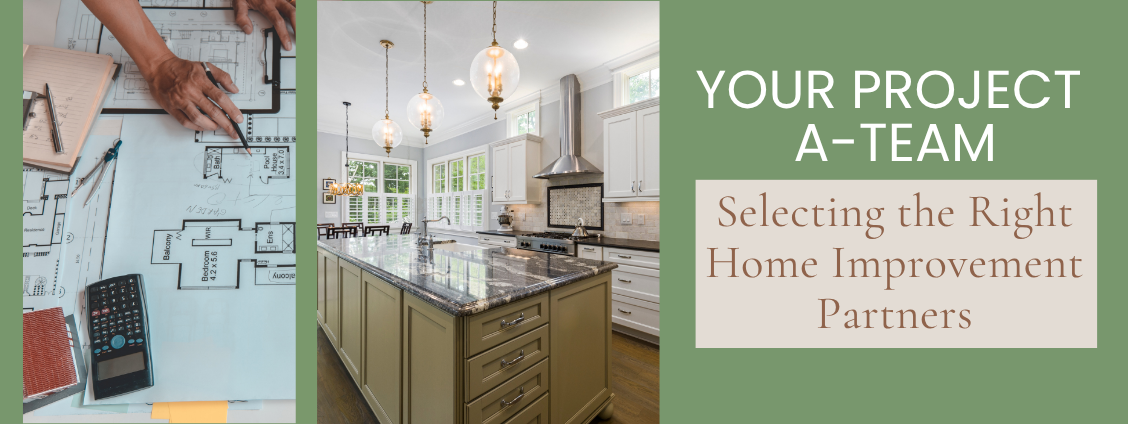
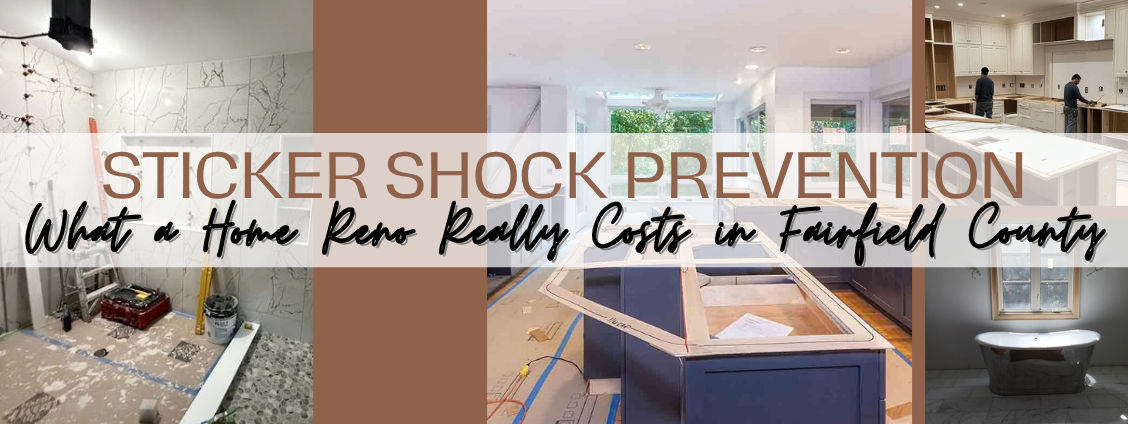
Embarking on a home improvement project is an investment of time, energy, and finances. The process is creative and exciting but also intimidating. The requirements to meet and decisions to be made can be overwhelming! Success depends largely on the professionals you choose to advise you, manage the project and execute the plan. Whether you’re restyling a room or two, renovating a kitchen, remodeling a bathroom, undertaking a major renovation or building a custom home, homeowners struggle with the same questions: How do I know who to trust? What is a fair price to pay? How can I be sure the work will be high quality? Will we communicate well? Will I feel comfortable having these people in my home for weeks or months? After years of working with homeowners and project teams, I’ve learned that selecting the right architect, contractor, and (yes) interior designer is just as important as selecting the right finishes or creating the perfect floor plan. The best partnerships are built on trust, transparency, expertise, and shared expectations. Here are practical steps you can take to find and vet the project partners who are right for you. Personal recommendations from people you know remain one of the most valuable resources available. Ask friends, family, neighbors, and local professionals about their experiences. Nothing beats honest word of mouth and testimonials. Two-ways conversations cultivate a deeper appreciation of that project’s idiosyncrasies and challenges and how the partner managed them. Online reviews can also be very helpful, but don’t focus solely on star ratings. Look for consistent themes in the feedback. Did the company communicate well? Did they finish on time? Were unexpected issues handled professionally? Interview multiple candidates. Even if the first company you meet seems impressive, interview at least three qualified professionals or organizations. Every team has a different approach, personality, and process. Pay attention not only to their answers but also to how they listen and address your unique concerns. The best partners first ask thoughtful questions about your goals, budget, lifestyle, and priorities before proposing solutions. Understand pricing beyond the bottom line. I can’t tell you how many clients share their buyer’s remorse after choosing solely based on the lowest bid. A proposal that may seem less expensive can end up costing more if it excludes important services, skimps on quality materials, or excludes project management, permits, and contingency planning. Conversely, the highest price doesn’t always guarantee the best outcome. When reviewing proposals, ensure you’re comparing apples to apples. Prepare a side-by-side line-item comparison. What is included in the proposal? What assumptions were made? How are changes handled? What factors could affect final costs? A fair price is one that delivers value, quality, and a predictable process—not simply the lowest number. Additionally, a trustworthy partner will be as transparent as possible, answering all your questions with professionalism. If your guts tells you something is “off”, listen to your instincts. (More on this below.) Verify credentials and experience. Verify licenses, insurance, certifications, and professional affiliations. Ask how long they have been in business, and request examples of projects similar in scope to yours. A developer who excels at building new homes may not be the best fit for a historic renovation. Likewise, an interior designer, though experienced and renowned, may not be ideal for your remodeling project if their deeply ingrained style doesn’t align with your vision. Ask their references: Was the project completed on budget? How were problems handled? Was communication timely and clear? Would you hire them again? What would you do differently? These conversations often reveal the realities of working together day-to-day. Technical expertise is critical, but chemistry matters too. Your project team will be in your home (often when you’re out), discussing finances, solving problems, and making hundreds of decisions with you over the course of the project. If communication feels uncomfortable during the interview stage, it likely won’t improve once construction begins. Choose professionals you “vibe” with and who make you feel heard, respected, and confident. In sum: Top 10 Criteria for Selecting Home Improvement Partners Experience with Similar Projects - Look for professionals who have successfully completed projects comparable in size, scope, style, and complexity. Communication Skills – Clear, consistent communication prevents misunderstandings and keeps projects moving forward. Reputation and References – Strong client testimonials and referrals often predict future performance. Transparency - Reliable professionals openly discuss pricing, timelines, risks, and expectations. Professional Credentials – Verify licenses, insurance, certifications, and industry memberships. Project Management Process – Ask how schedules, budgets, subcontractors, and change orders are managed. Design and Technical Expertise – Review portfolios and examples of completed work to evaluate creativity, craftsmanship, and attention to detail. Financial Stability – Established firms with strong business practices are better positioned to deliver consistent results. Compatibility and Trust – You’ll spend significant time working together. Mutual respect and trust are essential. Commitment to Quality – Ask how quality control is maintained throughout design, engineering, procurement, and construction. The best home improvement projects are rarely the result of luck. When you work to find a team that combines expertise, transparency, communication, and integrity, you’ll gain more than a contractor, architect, or interior designer—you’ll gain advisors who can help transform your vision into spaces that work. Build your trusted team and projects that come after will be a piece of cake! Your home deserves nothing less.
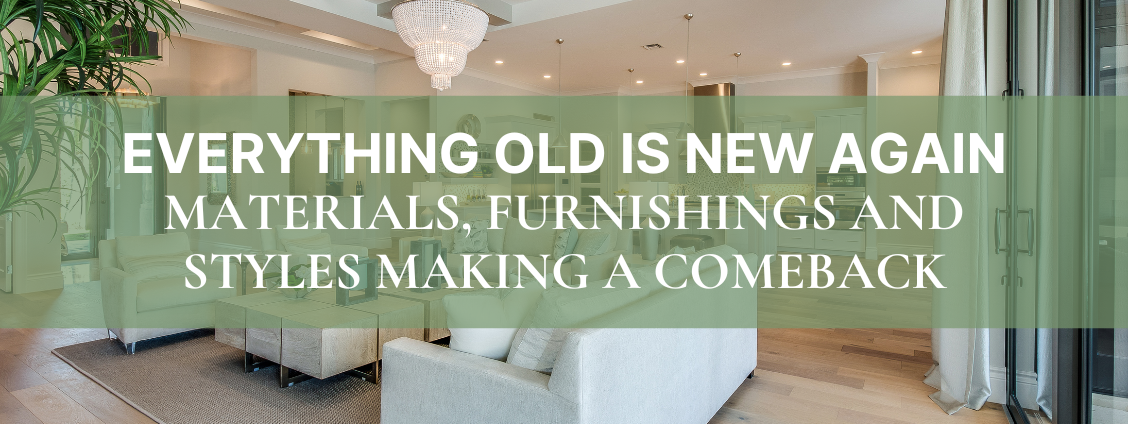
Text banner over a bright room: “EVERYTHING OLD IS NEW AGAIN” with “MATERIALS, FURNISHINGS AND STYLES MAKING A COMEBACK”
By proadAccountId-422147 May 27, 2026
Vintage style is making a comeback with modern updates that blend timeless charm, smart technology, sustainability, and everyday comfort.
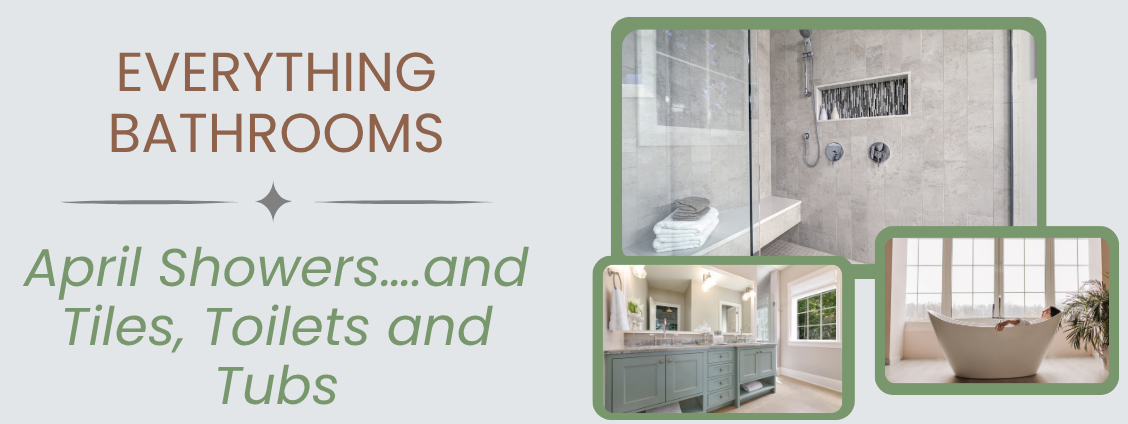
Bathroom remodeling ad with green-bordered photos of tiled showers and baths, and text about aprons, tiles, toilets, and tubs
By proadAccountId-422147 April 27, 2026
Refresh your bathroom this spring with smart design ideas, stylish upgrades, and functional features that bring comfort, efficiency, and everyday luxury home.
A collage showing home maintenance tasks: roof repair, attic inspection, gardening, and paving, titled
By proadAccountId-422147 March 25, 2026
Winter's gone — is your home ready? Check your roof, gutters, foundation, deck, and more with Susan's spring home maintenance bootcamp checklist.
Four photos: bedroom, elderly couple, kitchen, bathroom. Text:
By proadAccountId-422147 February 23, 2026
Thoughtful design today makes aging in place easier tomorrow. Learn how flexible layouts, smart features, and planning ahead support lifelong independence.
Happy couple in front of a house, text reads
By proadAccountId-422147 January 27, 2026
Discover how interior design supports retirement planning—balancing lifestyle, aging in place, and home value to create comfort, flexibility, and long-term confidence.
Cozy living room with candles, sofa, cat, and text:
By proadAccountId-422147 December 22, 2025
Discover warm, stylish, and thoughtful ways to elevate your home for the holidays—cozy decor, festive tables, and tips for family and pets.
Banner with plant decor in different rooms and text: Bringing the outdoors in, living beautifully with plant décor.
By proadAccountId-422147 November 19, 2025
Indoor plants offer year-round beauty, better air quality, and a calming presence. Learn how to choose, style, and enjoy greenery in every room of your home.
A banner with a house, bathroom, and kitchen images, discussing
By proadAccountId-422147 October 22, 2025
Learn how to keep your home fresh, functional, and market-ready—boosting comfort, style, and long-term resale value with smart updates and organization.
Show More