


A sofa, sectional or chair may look beautiful in a showroom or online, but that doesn’t necessarily mean it will work well in your redesigned room or support the way your family operates day to day. Finding the right combination requires accurate measurements, practical knowledge, an understanding of proportions and a little self-reflection. Before focusing on fabrics and colors, consider how the room will be used, who will use it and how you want it to feel.


The best seating choices start with honest questions.

  • Do you want a relaxed place where everyone can stretch out for movie night?
  • Do you frequently entertain friends and need seating that makes conversation easy?
  • Does anyone in the household need a firmer seat, a higher back or supportive arms?
  • Will pets or young children be sharing the furniture?
  • Will there be eating on or around it?
  • Is the room with heavy traffic or is it reserved for special occasions?


Your answers will help determine whether you need a generously sized sectional, a traditional sofa and chairs, a pair of loveseats or a more flexible collection of smaller pieces. They also impact how you figure out your desired price point, fabric choice texture, durability and stain resistance requirements,


Find the Right Size and Scale

A large sectional can overwhelm a compact space, while undersized pieces may look disconnected in a spacious room with high ceilings. Likewise, a substantial sofa paired with delicate chairs can feel unbalanced. Likewise, a small coffee table may look lost within a large sectional. The height and visual weight of each piece should relate to the furniture around it as well as to the architecture of the room. Take pictures and measurements and use design apps online to see what your seating will look like. Use painter’s tape to mark the floor to help visualize the effect.


Consider Posture and Personal Comfort

A deep sofa can be wonderful for someone who likes to curl up with a book but uncomfortable for a shorter guest whose feet cannot reach the floor. A low-profile chair may look sleek and modern, yet it may be difficult for an older family member to get in and out of. Beautiful seating should also be practical for the people who use it most.


Configuration for Connection

The goal with seating is not simply to fit as many occupants as possible in your room — it is to create a natural, comfortable setting where people want to gather. Common design mistakes that impact how you live:

  • If every seat faces the television, the room may work well for watching a favorite program but feel less inviting for conversation.
  • If chairs are placed too far apart, guests may struggle to hear one another or gracefully eat and drink.
  • If the seating is pushed against every wall, the room can feel more like a waiting area than a welcoming gathering place.


In many rooms, a sofa facing two chairs creates a comfortable conversational arrangement. A sectional can help define an open floor plan, while swivel chairs allow people to turn between the television, fireplace and conversation area. Ottomans, benches and small occasional chairs can provide flexible extra seating without dominating the space.


Larger rooms may benefit from more than one seating area. A main grouping can accommodate family and guests, while a smaller arrangement near a window can become a reading spot, game table or quiet place for morning coffee.


Select Materials for Real Life

Performance fabrics (both synthetic and natural) are excellent choices for frequently used rooms, especially in homes with children, pets for regular, casual entertaining. Many of my favorite options for heavy use (microfiber, performance velvet and suede) are soft and sophisticated while offering impressive resistance to stains and everyday wear. Leather can be durable and beautiful, but different finishes age differently and may require specific care.


Of course there are limitless options for color, pattern and texture in traditional fabrics like silk, cotton and velvet for any room or level of formality. If you’re wary of going too far or committing to something bold, pillows and smaller chairs let you introduce more “wow” without the potential “oh no” a few years down the road.


Before approving a material, I recommend viewing a generous sample in the room where it will be used. Fabric can look dramatically different under natural daylight, overhead lighting and evening lamps. It should also be touched and tested. A material that looks beautiful but feels scratchy or stiff is unlikely to become a favorite place to sit.


Comfort Is in the Details

Whenever practical, sit in a piece before purchasing it. Stay there for more than a few seconds. Notice whether your back feels supported, whether your feet rest comfortably and whether getting up feels natural.


Regarding materials, many people prefer a combination of foam and softer materials that provides support without feeling rigid.

  • Down-filled cushions feel soft and luxurious but require regular fluffing.
  • High-density foam offers a more structured appearance and generally holds its shape well.


Relative to size:

  • Seat depth is especially important. Deep seating creates a casual, lounge-like experience, while a shallower seat supports a more upright posture.
  • Arm height and width can determine whether a sofa is comfortable for sitting, standing up, reading or napping.
  • The height of the back influences both physical support and the visual profile of the room.


Make Seating Decisions Early and With Guidance

Furniture planning is ideally part of the overall redesign or renovation process.


As a project manager and interior designer, I help clients consider seating elements while architectural and construction decisions are still being made. This ensures that electrical outlets, floor outlets, lighting, television connections and built-ins are in the optimal places. Seating goals may also affect the placement of windows, doorways, fireplaces or openings between rooms.


When the architecture, furniture, lighting and daily use of the room are considered together, the final result feels more cohesive—and works far better.


A Few Personal Favorites

Some of my favorite recent seating selections have succeeded because they were tailored to the people and the rooms—not because they followed a particular trend.


  • For one client, a deep sectional with a comfy, crisp performance canvas fabric created the relaxed, welcoming family space they had imagined.
  • In another home, a pair of patterned swivel chairs made it possible to add some color, enjoy the fireplace, the view and conversation without a total room reboot.
  • A more structured sofa was the right choice for a formal living room that still needed to feel comfortable and approachable.
  • In my own home, I appreciate seating that offers a balance of comfort, support, flexibility and a touch of whimsy. These are pieces that feel inviting but maintain their shape.


Below is a sampling of seating that I come back to repeatedly for a range of price points, fabrics, configurations and styles:

Versatile, Neutral Sectionals — from Transitional to Modern, Heavily Trafficked to Special Occasion

James 3-Seat Bumper Sectional by Interior Define

Radley 5-Piece Sectional Sofa by Macy’s

Finnley Two-Piece Curved Sectional by Arhaus

Lounge Deep 2-Piece Sectional Sofa with Chaise by Crate and Barrel

York Square Arm Sofa by Pottery Barn


Functional Swivel Chairs — for Coziness, Conversations, or a Pop of Color

Ayden Barrel Arm Swivel Chair by Pottery Barn

Gideon Swivel Chair by Pottery Barn


Ultimately, the best seating is not necessarily the largest, softest, priciest or most fashionable option. It is the seating that fits your space, supports your lifestyle and makes you—and your guests—want to sit down and stay awhile. Let’s plan together!


By proadAccountId-422147 June 23, 2026
Embarking on a home improvement project is an investment of time, energy, and finances. The process is creative and exciting but also intimidating. The requirements to meet and decisions to be made can be overwhelming! Success depends largely on the professionals you choose to advise you, manage the project and execute the plan. Whether you’re restyling a room or two, renovating a kitchen, remodeling a bathroom, undertaking a major renovation or building a custom home, homeowners struggle with the same questions: How do I know who to trust? What is a fair price to pay? How can I be sure the work will be high quality? Will we communicate well? Will I feel comfortable having these people in my home for weeks or months? After years of working with homeowners and project teams, I’ve learned that selecting the right architect, contractor, and (yes) interior designer is just as important as selecting the right finishes or creating the perfect floor plan. The best partnerships are built on trust, transparency, expertise, and shared expectations. Here are practical steps you can take to find and vet the project partners who are right for you. Personal recommendations from people you know remain one of the most valuable resources available. Ask friends, family, neighbors, and local professionals about their experiences. Nothing beats honest word of mouth and testimonials. Two-ways conversations cultivate a deeper appreciation of that project’s idiosyncrasies and challenges and how the partner managed them. Online reviews can also be very helpful, but don’t focus solely on star ratings. Look for consistent themes in the feedback. Did the company communicate well? Did they finish on time? Were unexpected issues handled professionally? Interview multiple candidates. Even if the first company you meet seems impressive, interview at least three qualified professionals or organizations. Every team has a different approach, personality, and process. Pay attention not only to their answers but also to how they listen and address your unique concerns. The best partners first ask thoughtful questions about your goals, budget, lifestyle, and priorities before proposing solutions. Understand pricing beyond the bottom line. I can’t tell you how many clients share their buyer’s remorse after choosing solely based on the lowest bid. A proposal that may seem less expensive can end up costing more if it excludes important services, skimps on quality materials, or excludes project management, permits, and contingency planning. Conversely, the highest price doesn’t always guarantee the best outcome. When reviewing proposals, ensure you’re comparing apples to apples. Prepare a side-by-side line-item comparison. What is included in the proposal? What assumptions were made? How are changes handled? What factors could affect final costs? A fair price is one that delivers value, quality, and a predictable process—not simply the lowest number. Additionally, a trustworthy partner will be as transparent as possible, answering all your questions with professionalism. If your guts tells you something is “off”, listen to your instincts. (More on this below.) Verify credentials and experience. Verify licenses, insurance, certifications, and professional affiliations. Ask how long they have been in business, and request examples of projects similar in scope to yours. A developer who excels at building new homes may not be the best fit for a historic renovation. Likewise, an interior designer, though experienced and renowned, may not be ideal for your remodeling project if their deeply ingrained style doesn’t align with your vision. Ask their references: Was the project completed on budget? How were problems handled? Was communication timely and clear? Would you hire them again? What would you do differently? These conversations often reveal the realities of working together day-to-day. Technical expertise is critical, but chemistry matters too. Your project team will be in your home (often when you’re out), discussing finances, solving problems, and making hundreds of decisions with you over the course of the project. If communication feels uncomfortable during the interview stage, it likely won’t improve once construction begins. Choose professionals you “vibe” with and who make you feel heard, respected, and confident. In sum: Top 10 Criteria for Selecting Home Improvement Partners Experience with Similar Projects - Look for professionals who have successfully completed projects comparable in size, scope, style, and complexity. Communication Skills – Clear, consistent communication prevents misunderstandings and keeps projects moving forward. Reputation and References – Strong client testimonials and referrals often predict future performance. Transparency - Reliable professionals openly discuss pricing, timelines, risks, and expectations. Professional Credentials – Verify licenses, insurance, certifications, and industry memberships. Project Management Process – Ask how schedules, budgets, subcontractors, and change orders are managed. Design and Technical Expertise – Review portfolios and examples of completed work to evaluate creativity, craftsmanship, and attention to detail. Financial Stability – Established firms with strong business practices are better positioned to deliver consistent results. Compatibility and Trust – You’ll spend significant time working together. Mutual respect and trust are essential. Commitment to Quality – Ask how quality control is maintained throughout design, engineering, procurement, and construction. The best home improvement projects are rarely the result of luck. When you work to find a team that combines expertise, transparency, communication, and integrity, you’ll gain more than a contractor, architect, or interior designer—you’ll gain advisors who can help transform your vision into spaces that work. Build your trusted team and projects that come after will be a piece of cake! Your home deserves nothing less.
Text banner over a bright room: “EVERYTHING OLD IS NEW AGAIN” with “MATERIALS, FURNISHINGS AND STYLES MAKING A COMEBACK”
By proadAccountId-422147 May 27, 2026
Vintage style is making a comeback with modern updates that blend timeless charm, smart technology, sustainability, and everyday comfort.
Bathroom remodeling ad with green-bordered photos of tiled showers and baths, and text about aprons, tiles, toilets, and tubs
By proadAccountId-422147 April 27, 2026
Refresh your bathroom this spring with smart design ideas, stylish upgrades, and functional features that bring comfort, efficiency, and everyday luxury home.
A collage showing home maintenance tasks: roof repair, attic inspection, gardening, and paving, titled
By proadAccountId-422147 March 25, 2026
Winter's gone — is your home ready? Check your roof, gutters, foundation, deck, and more with Susan's spring home maintenance bootcamp checklist.
Four photos: bedroom, elderly couple, kitchen, bathroom. Text:
By proadAccountId-422147 February 23, 2026
Thoughtful design today makes aging in place easier tomorrow. Learn how flexible layouts, smart features, and planning ahead support lifelong independence.
Happy couple in front of a house, text reads
By proadAccountId-422147 January 27, 2026
Discover how interior design supports retirement planning—balancing lifestyle, aging in place, and home value to create comfort, flexibility, and long-term confidence.
Cozy living room with candles, sofa, cat, and text:
By proadAccountId-422147 December 22, 2025
Discover warm, stylish, and thoughtful ways to elevate your home for the holidays—cozy decor, festive tables, and tips for family and pets.
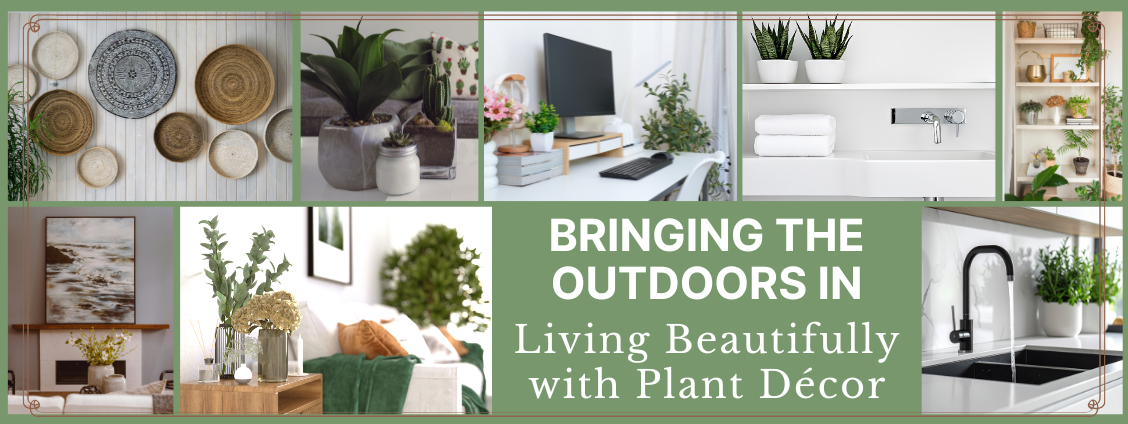
Banner with plant decor in different rooms and text: Bringing the outdoors in, living beautifully with plant décor.
By proadAccountId-422147 November 19, 2025
Indoor plants offer year-round beauty, better air quality, and a calming presence. Learn how to choose, style, and enjoy greenery in every room of your home.
A banner with a house, bathroom, and kitchen images, discussing
By proadAccountId-422147 October 22, 2025
Learn how to keep your home fresh, functional, and market-ready—boosting comfort, style, and long-term resale value with smart updates and organization.
Show More