
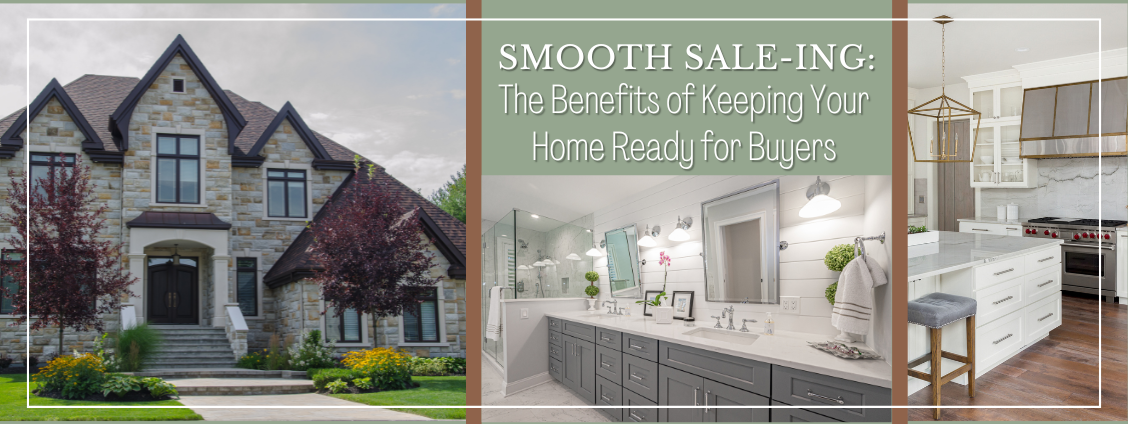
Whether you’re planning to sell your home next spring, five years from now, or not for decades, it’s always wise to think about how your home would fare if you did put it on the market today. From a designer’s point of view, this mindset isn’t about living in a showroom—it’s about living beautifully and intentionally. A “market-ready” home is one that looks cared for, feels fresh, and functions well for the people who live there now, while also maintaining the kind of universal appeal that future buyers value.


The Immediate Benefits: Clarity and Freshness

When you think about your home as if you were preparing to list it, one of the first things you’ll notice is clutter. We all accumulate items that no longer serve us—outgrown toys, duplicate kitchen gadgets, forgotten décor. Evaluating your home with a buyer’s eye helps you see what’s truly adding value and what’s just taking up space.


This exercise can be freeing. You might decide it’s time to create better systems for daily routines—adding shelving in the mudroom, refining closet storage, or simply establishing a weekly tidy-up habit. You’ll likely notice small maintenance tasks you’ve overlooked: walls that could use fresh paint, carpets ready for a shampoo, upholstery needing a deep clean, or window treatments begging for a dust.


These are modest efforts that instantly refresh your environment and elevate your sense of well-being. Clean, uncluttered spaces not only make your home more inviting—they make it feel larger, calmer, and more luxurious for you, your family and your guests.


The Medium-Term View: Smarter Upgrades and Evolving Spaces

Once your home is in good working order and visually refreshed, you can begin thinking in a more strategic way about upgrades. A market-ready mindset encourages you to make thoughtful investments rather than reactive fixes.


For example, maybe your children’s once-charming playroom now feels dated. With a few design changes, it can become a stylish and flexible teen space or even a home office. Perhaps your kitchen appliances are showing their age, or your bathroom could benefit from new tile and modern fixtures. Tackling these medium-scale projects in stages allows you to spread out expenses and make design choices that will stand the test of time.


By keeping resale appeal in mind—while still designing for your current lifestyle—you create rooms that serve you beautifully and maintain lasting value. A professional designer can help you navigate this balance, suggesting colors, finishes, and layouts that align with both your taste and broader market trends.


The Long Game: Protecting and Growing Your Home’s Value

Homes age just like anything else. Design trends evolve, materials wear down, and what felt fresh a decade ago can start to feel tired. Taking a long-term, market-ready approach means regularly evaluating what might make your home appear dated to a future buyer—and addressing it proactively rather than all at once when you decide to sell.


This could mean replacing heavy window treatments with lighter, more modern styles; rethinking old lighting schemes; updating flooring; or creating a more open, flexible floor plan. Even exterior elements—like landscaping, entryways, and paint colors—should evolve with time to maintain curb appeal.


Working with a designer who truly understands your home and your long-term goals can make this process smooth and cost-effective. Together, you can build a master plan for future renovations, ensuring that when the time does come to sell, your home is already several steps ahead of the competition.


Bonus Benefits: Peace of Mind and Pride of Place

Beyond practical considerations, there’s something deeply satisfying about living in a home that’s always cared for and current. Not a museum or mausoleum but, simply, tended to. Regularly updating, organizing, and refreshing your spaces fosters a sense of pride and peace. It prevents the overwhelm that often comes when deferred maintenance and outdated décor pile up.


You’ll also find it easier to entertain and welcome guests. And should life take an unexpected turn—a job relocation, family change, or the right opportunity—you’ll be in the enviable position of having a home that’s ready to show, not one that requires a frantic six-week makeover.


Design as an Ongoing Conversation

A home isn’t a one-and-done project—it’s a living environment that evolves along with you. Adopting a market-ready mindset is less about preparing to move out and more about making sure you love where you live today, while preserving flexibility for tomorrow.


By partnering with a designer who listens carefully to how you live, anticipates future needs, and keeps an eye on both aesthetic and market trends, you ensure your home stays timeless, beautiful, and adaptable—no matter what the future holds.


Let’s start the conversation.
By proadAccountId-422147 • October 30, 2026
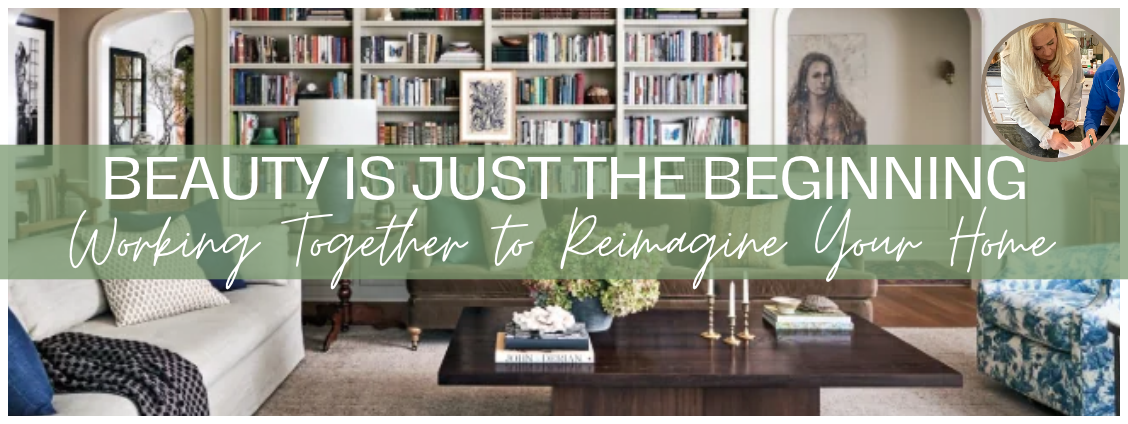
What a professional brings to the redesign equation is different for everyone. Some offer a signature style, a particular color palette or a floor-to-ceiling recognizable vibe. Yet the clients I connect with aren’t looking for a designer brand. Their goals are much more personal. Most homeowners want to discover the possibilities with their spaces and for their life. It requires from me equal parts creativity, curiosity, experience, technical knowledge, relationship building and problem-solving. When we work together, my goal is to discover what your home could be for you. I love the creative side of design, of course, but what excites me most is getting to know you, finding clever solutions and making everyday life a little easier (and a lot more beautiful). Here's what you can expect when I’m on your team: First, I Get to Know You Before I suggest a paint color or move a wall, I ask questions. Lots of them! Do you cook every night or mostly gather around the kitchen island? Are you an organized minimalist or someone who needs a place for all the stuff that comes with a busy life? Do you entertain often? Where does everyone naturally gravitate? We'll get specific, too. Would open shelving actually work for you? Where should backpacks, sports gear and pet supplies go? Do you need a kosher kitchen, a quiet workspace or storage for holiday dinnerware? Those little details often make the biggest difference. Then, We Explore What You Love Maybe you're drawn to clean, modern lines or maybe you love color, pattern and a mix of old and new. You don't need to know the technical vocabulary. We'll figure it out together. And I'm not interested in tossing out everything you own. The table you inherited, artwork from your travels or a rug you've loved forever can give a room its personality. I want your home to tell your story, not look like a showroom. We Make the Dream Work in Real Life Here's where imagination meets reality. We'll talk openly about your budget from the start— including design, construction, permits, furnishings and a cushion for surprises. I'll help you decide where to invest, where to save and which changes will have the biggest impact. We'll also look at what's possible structurally and within local regulations. Can that wall come down? Is an addition realistic? I'll collaborate with the architects, engineers and contractors needed to work through those questions. Sometimes a limitation leads us to an even better idea: rearranging existing rooms instead of adding square footage, for example, or using custom cabinetry only where it really counts. The Magic Is in the Details Once we have a general plan, I think about how you'll actually use every space. Maybe that's a beverage station that keeps guests out of the cook's way, hidden outlets in bathroom cabinetry or family-room storage that makes cleanup easy. We'll think about the future, too: could today's playroom become tomorrow's office or guest room? I want those choices to feel effortless once you're living with them. Staying With You Through the Process My responsibilities don't end when we approve the drawings. I can manage the whole project, helping to select a trusted contractor, stopping in regularly as work progresses, troubleshooting the inevitable surprises and being there for important deliveries. From big decisions to the last pillow, I'm here for QC, to take pressure off your shoulders and to make the process fun! A Home That Feels Like You My favorite moment is when a client walks into a finished space and says, 'This is exactly how I wanted to live.' Not because it follows a particular trend, but because we imagined the possibilities together—and made them real!
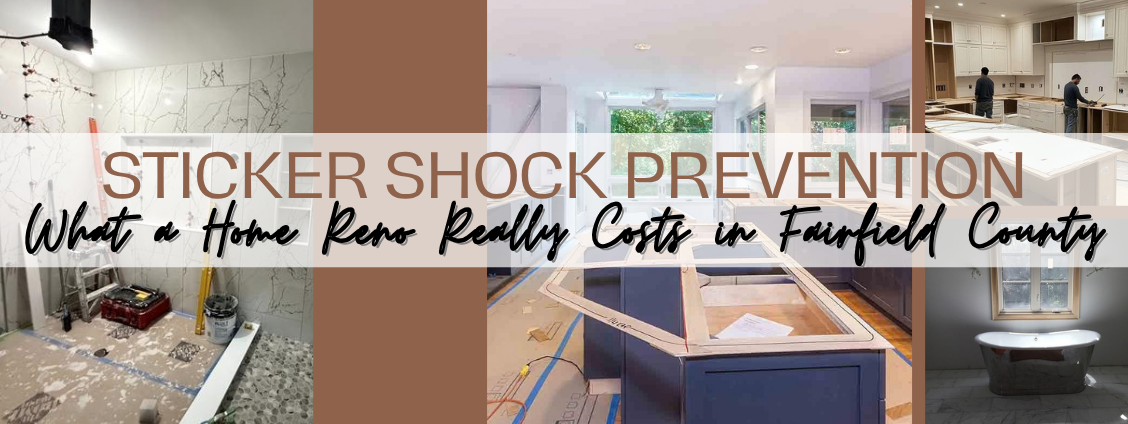
Banner reading “Sticker Shock Prevention” over a collage of kitchen and bathroom renovation images
By proadAccountId-422147 • September 27, 2026
Planning a home renovation in Fairfield County? Learn what a renovation really costs and how to build a realistic budget before you get started.
Woman in black-and-white plaid shirt posing in a showroom with “WELCOME IN!” text overlay.
By proadAccountId-422147 • August 25, 2026
Discover why visiting an interior design showroom in Norwalk, CT can make choosing cabinetry, countertops, fabrics and finishes easier and more confident.
Living room with gray sofas and fireplace beside text: “Take a Seat” and “How to Choose the Right Sofas”
By proadAccountId-422147 • August 3, 2026
Learn how to choose sofas, sectionals, and chairs that fit your space, lifestyle, and comfort needs with expert furniture selection tips from Susan Corvo.
By proadAccountId-422147 • June 23, 2026
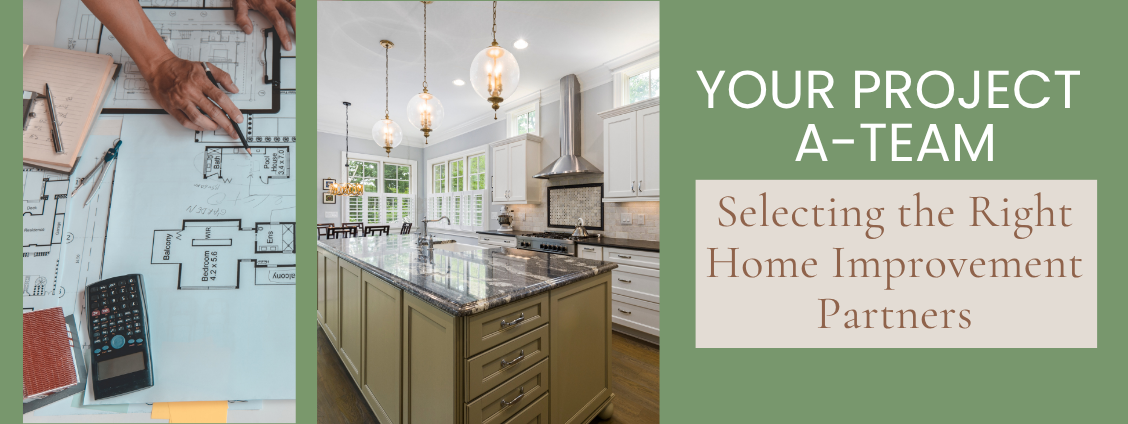
Embarking on a home improvement project is an investment of time, energy, and finances. The process is creative and exciting but also intimidating. The requirements to meet and decisions to be made can be overwhelming! Success depends largely on the professionals you choose to advise you, manage the project and execute the plan. Whether you’re restyling a room or two, renovating a kitchen, remodeling a bathroom, undertaking a major renovation or building a custom home, homeowners struggle with the same questions: How do I know who to trust? What is a fair price to pay? How can I be sure the work will be high quality? Will we communicate well? Will I feel comfortable having these people in my home for weeks or months? After years of working with homeowners and project teams, I’ve learned that selecting the right architect, contractor, and (yes) interior designer is just as important as selecting the right finishes or creating the perfect floor plan. The best partnerships are built on trust, transparency, expertise, and shared expectations. Here are practical steps you can take to find and vet the project partners who are right for you. Personal recommendations from people you know remain one of the most valuable resources available. Ask friends, family, neighbors, and local professionals about their experiences. Nothing beats honest word of mouth and testimonials. Two-ways conversations cultivate a deeper appreciation of that project’s idiosyncrasies and challenges and how the partner managed them. Online reviews can also be very helpful, but don’t focus solely on star ratings. Look for consistent themes in the feedback. Did the company communicate well? Did they finish on time? Were unexpected issues handled professionally? Interview multiple candidates. Even if the first company you meet seems impressive, interview at least three qualified professionals or organizations. Every team has a different approach, personality, and process. Pay attention not only to their answers but also to how they listen and address your unique concerns. The best partners first ask thoughtful questions about your goals, budget, lifestyle, and priorities before proposing solutions. Understand pricing beyond the bottom line. I can’t tell you how many clients share their buyer’s remorse after choosing solely based on the lowest bid. A proposal that may seem less expensive can end up costing more if it excludes important services, skimps on quality materials, or excludes project management, permits, and contingency planning. Conversely, the highest price doesn’t always guarantee the best outcome. When reviewing proposals, ensure you’re comparing apples to apples. Prepare a side-by-side line-item comparison. What is included in the proposal? What assumptions were made? How are changes handled? What factors could affect final costs? A fair price is one that delivers value, quality, and a predictable process—not simply the lowest number. Additionally, a trustworthy partner will be as transparent as possible, answering all your questions with professionalism. If your guts tells you something is “off”, listen to your instincts. (More on this below.) Verify credentials and experience. Verify licenses, insurance, certifications, and professional affiliations. Ask how long they have been in business, and request examples of projects similar in scope to yours. A developer who excels at building new homes may not be the best fit for a historic renovation. Likewise, an interior designer, though experienced and renowned, may not be ideal for your remodeling project if their deeply ingrained style doesn’t align with your vision. Ask their references: Was the project completed on budget? How were problems handled? Was communication timely and clear? Would you hire them again? What would you do differently? These conversations often reveal the realities of working together day-to-day. Technical expertise is critical, but chemistry matters too. Your project team will be in your home (often when you’re out), discussing finances, solving problems, and making hundreds of decisions with you over the course of the project. If communication feels uncomfortable during the interview stage, it likely won’t improve once construction begins. Choose professionals you “vibe” with and who make you feel heard, respected, and confident. In sum: Top 10 Criteria for Selecting Home Improvement Partners Experience with Similar Projects - Look for professionals who have successfully completed projects comparable in size, scope, style, and complexity. Communication Skills – Clear, consistent communication prevents misunderstandings and keeps projects moving forward. Reputation and References – Strong client testimonials and referrals often predict future performance. Transparency - Reliable professionals openly discuss pricing, timelines, risks, and expectations. Professional Credentials – Verify licenses, insurance, certifications, and industry memberships. Project Management Process – Ask how schedules, budgets, subcontractors, and change orders are managed. Design and Technical Expertise – Review portfolios and examples of completed work to evaluate creativity, craftsmanship, and attention to detail. Financial Stability – Established firms with strong business practices are better positioned to deliver consistent results. Compatibility and Trust – You’ll spend significant time working together. Mutual respect and trust are essential. Commitment to Quality – Ask how quality control is maintained throughout design, engineering, procurement, and construction. The best home improvement projects are rarely the result of luck. When you work to find a team that combines expertise, transparency, communication, and integrity, you’ll gain more than a contractor, architect, or interior designer—you’ll gain advisors who can help transform your vision into spaces that work. Build your trusted team and projects that come after will be a piece of cake! Your home deserves nothing less.
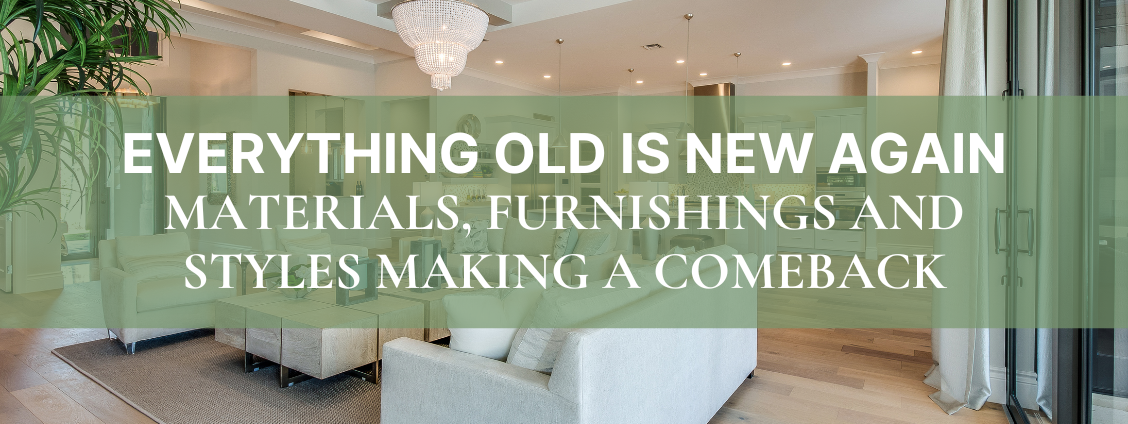
Text banner over a bright room: “EVERYTHING OLD IS NEW AGAIN” with “MATERIALS, FURNISHINGS AND STYLES MAKING A COMEBACK”
By proadAccountId-422147 • May 27, 2026
Vintage style is making a comeback with modern updates that blend timeless charm, smart technology, sustainability, and everyday comfort.
Bathroom remodeling ad with green-bordered photos of tiled showers and baths, and text about aprons, tiles, toilets, and tubs
By proadAccountId-422147 • April 27, 2026
Refresh your bathroom this spring with smart design ideas, stylish upgrades, and functional features that bring comfort, efficiency, and everyday luxury home.
A collage showing home maintenance tasks: roof repair, attic inspection, gardening, and paving, titled
By proadAccountId-422147 • March 25, 2026
Winter's gone — is your home ready? Check your roof, gutters, foundation, deck, and more with Susan's spring home maintenance bootcamp checklist.
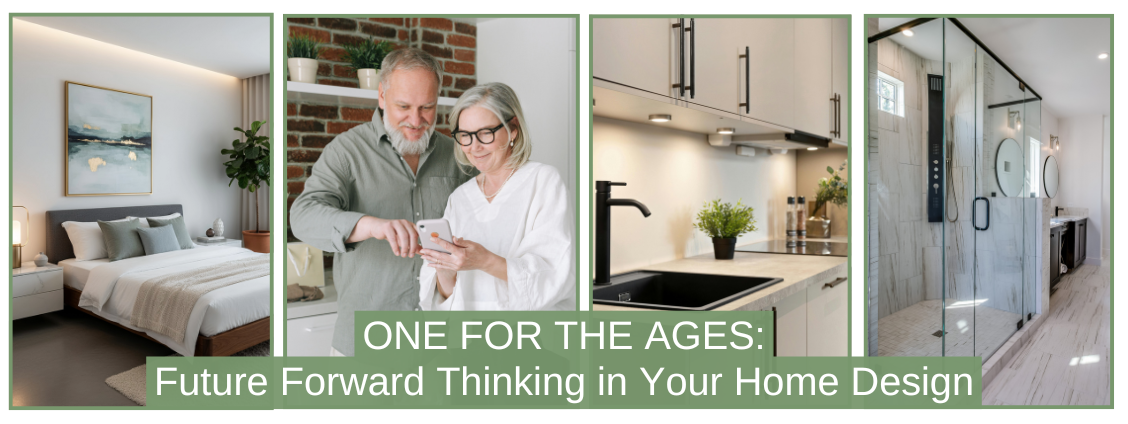
Four photos: bedroom, elderly couple, kitchen, bathroom. Text:
By proadAccountId-422147 • February 23, 2026
Thoughtful design today makes aging in place easier tomorrow. Learn how flexible layouts, smart features, and planning ahead support lifelong independence.
Show More