

Add Space and Style Without Breaking the Bank
Home additions can be inherently costly and with the price of EVERYTHING at an all-time high, some homeowners are delaying much-needed and wanted projects. But there are a few more budget-friendly alternatives to explore if you require additional space and functionality:
- Boost your basement: Unfinished basements are usually the first spaces in the home that people look to finish if they want to expand their day-to-day living room. But before you start painting those walls and shopping for accessories, you will first want to ensure that your basement is adequately insulated and waterproofed. While it may take some time upfront, it will help protect your belongings and provide a comfortable temperature year-round. How you plan to use the space, as well as its size, will determine what type of finishes and furnishings you'll need. Will it be an extra bedroom, an office, a family room or a game room? Also, in a basement, don’t forget to consider the amount of natural light when thinking about design and function. While a below-ground room can be great for playroom gaming and family movie night, it might get oppressive for a 9-to-5 home office without some stylish and bright lamps and recessed lighting.
- Grow into your garage: Not just for cars, your garage is often under-utilized extra space. With those large garage doors, it is a versatile four-season space — making it the perfect spot for a home gym or workshop. Whether you have a one- or two-car garage, chances are there is room to spare. With infinite new awesome-looking options, you can quickly turn your empty garage into livable space by adding some drywall, insulation, and flooring. First step? Organize! Give away riding toys your kids have outgrown, sell tools you never use, and toss random stuff that’s just collecting dust. Then, hang hooks to mount bikes and install shelving to organize your home, garden and automotive tools. Once the garage is cleared out you can start to see the possibilities.
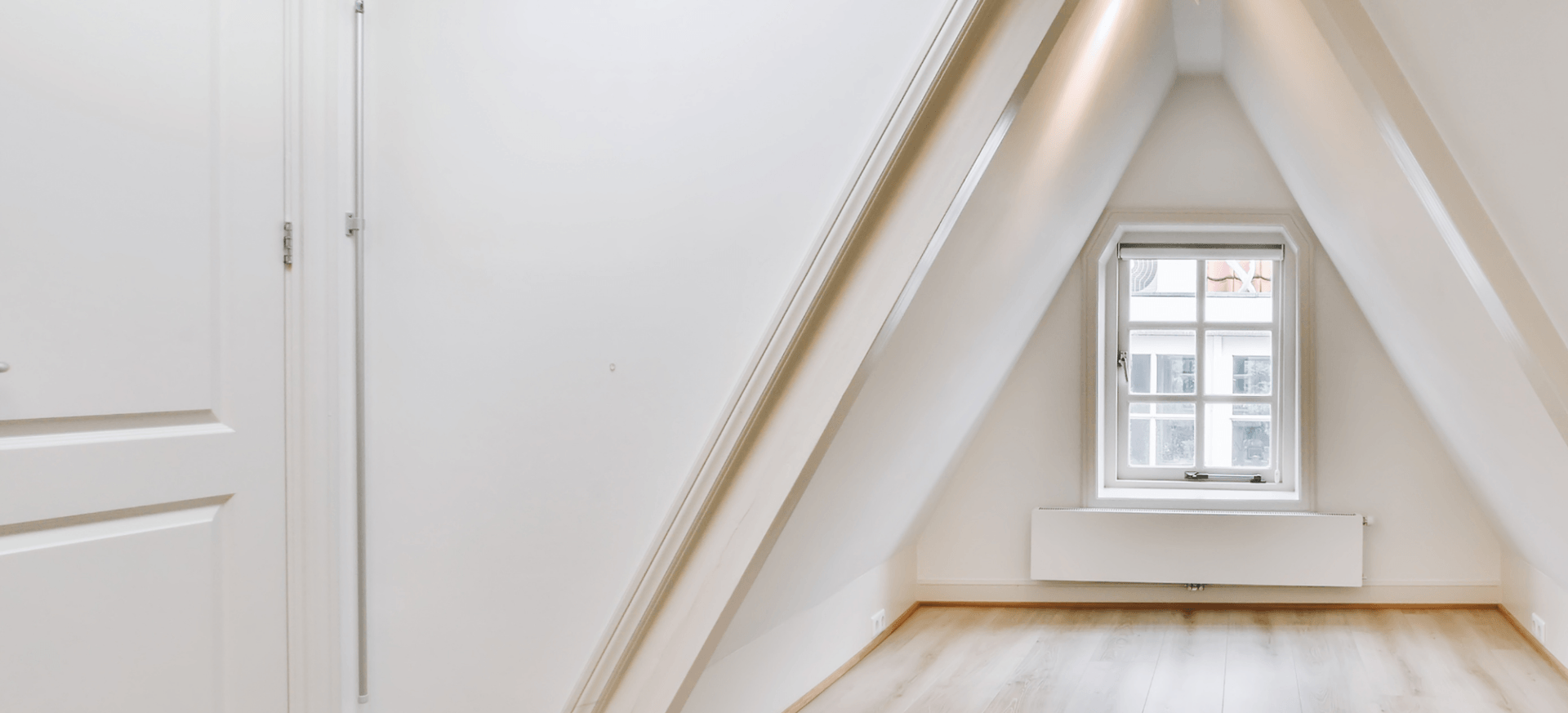
- Attack your attic: This is another existing and unused space that most homes have. When deciding whether to use your attic, you will need to think about insulation (again), overhead space, ventilation (attics can get hot!) and the overall layout of your house. Is the area better for storage, an office or a walk-in closet? Don't forget that from the top of your home, you may have terrific views, so putting in new windows can give a finished attic a luxurious feel.
- Lofty ideas: Do you have high ceilings in your home? Lofts are becoming increasingly popular as they provide an extra living space without taking away footage from other rooms. Common uses for lofts include bedrooms, offices, and playrooms. To create a loft, you will need to build a platform and install a staircase. Depending on the height of your ceilings, you may also need to add some additional support beams. When considering the design of your furnishings and layout, think about whether you want a cozy kids’ nook or a modern grown-up aerie.
- Divide and conquer: if you have a large enough room, consider adding a wall, or even a screen or curtain, to create two distinct living spaces without major construction. Adding a divider is especially useful if you need a nursery or an office that doesn’t require a lot of open floor space. The type of “wall” you select will vary by budget, amount of privacy needed, as well as the placement of windows and closets in the existing room.
Adding extra room to your house to keep up with your shifting lifestyle, doesn't have to be prohibitively expensive or complicated. With creativity, elbow grease and some expert guidance, you can easily add the extra room (or rooms) you need. Call me for a complimentary 30-minute consultation to set you on the right path.
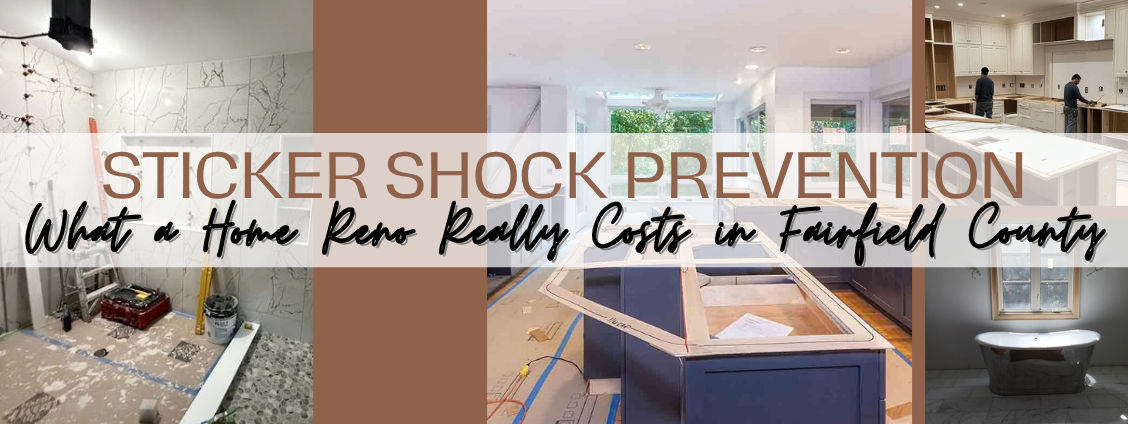
Planning a home renovation in Fairfield County? Learn what a renovation really costs and how to build a realistic budget before you get started.
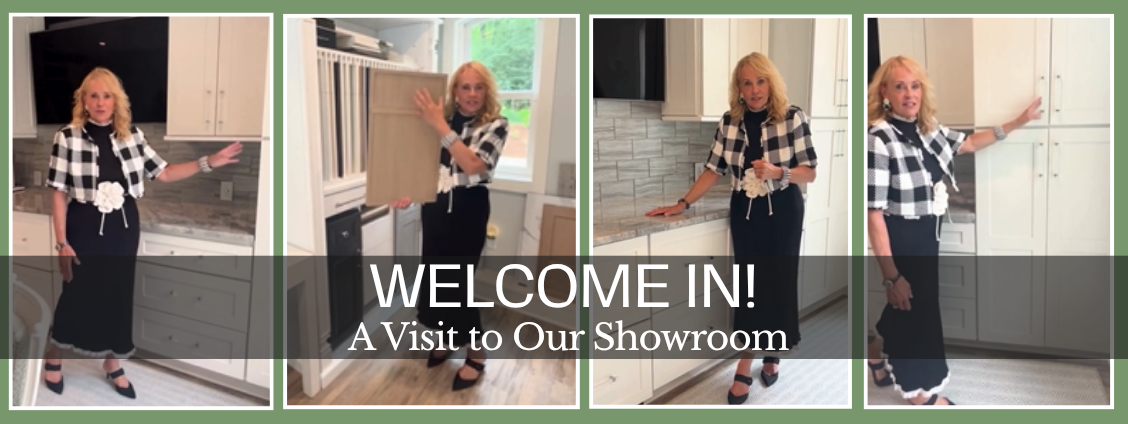
Discover why visiting an interior design showroom in Norwalk, CT can make choosing cabinetry, countertops, fabrics and finishes easier and more confident.

Learn how to choose sofas, sectionals, and chairs that fit your space, lifestyle, and comfort needs with expert furniture selection tips from Susan Corvo.
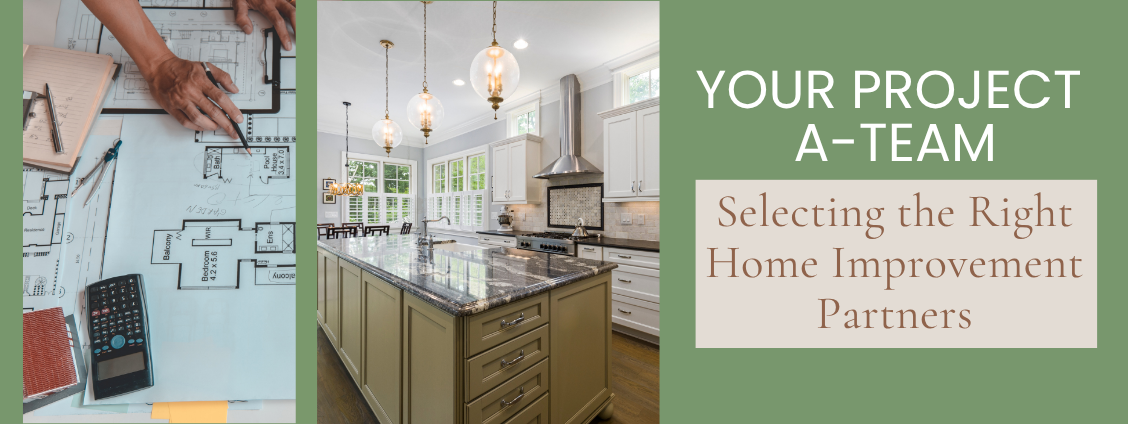
Embarking on a home improvement project is an investment of time, energy, and finances. The process is creative and exciting but also intimidating. The requirements to meet and decisions to be made can be overwhelming! Success depends largely on the professionals you choose to advise you, manage the project and execute the plan. Whether you’re restyling a room or two, renovating a kitchen, remodeling a bathroom, undertaking a major renovation or building a custom home, homeowners struggle with the same questions: How do I know who to trust? What is a fair price to pay? How can I be sure the work will be high quality? Will we communicate well? Will I feel comfortable having these people in my home for weeks or months? After years of working with homeowners and project teams, I’ve learned that selecting the right architect, contractor, and (yes) interior designer is just as important as selecting the right finishes or creating the perfect floor plan. The best partnerships are built on trust, transparency, expertise, and shared expectations. Here are practical steps you can take to find and vet the project partners who are right for you. Personal recommendations from people you know remain one of the most valuable resources available. Ask friends, family, neighbors, and local professionals about their experiences. Nothing beats honest word of mouth and testimonials. Two-ways conversations cultivate a deeper appreciation of that project’s idiosyncrasies and challenges and how the partner managed them. Online reviews can also be very helpful, but don’t focus solely on star ratings. Look for consistent themes in the feedback. Did the company communicate well? Did they finish on time? Were unexpected issues handled professionally? Interview multiple candidates. Even if the first company you meet seems impressive, interview at least three qualified professionals or organizations. Every team has a different approach, personality, and process. Pay attention not only to their answers but also to how they listen and address your unique concerns. The best partners first ask thoughtful questions about your goals, budget, lifestyle, and priorities before proposing solutions. Understand pricing beyond the bottom line. I can’t tell you how many clients share their buyer’s remorse after choosing solely based on the lowest bid. A proposal that may seem less expensive can end up costing more if it excludes important services, skimps on quality materials, or excludes project management, permits, and contingency planning. Conversely, the highest price doesn’t always guarantee the best outcome. When reviewing proposals, ensure you’re comparing apples to apples. Prepare a side-by-side line-item comparison. What is included in the proposal? What assumptions were made? How are changes handled? What factors could affect final costs? A fair price is one that delivers value, quality, and a predictable process—not simply the lowest number. Additionally, a trustworthy partner will be as transparent as possible, answering all your questions with professionalism. If your guts tells you something is “off”, listen to your instincts. (More on this below.) Verify credentials and experience. Verify licenses, insurance, certifications, and professional affiliations. Ask how long they have been in business, and request examples of projects similar in scope to yours. A developer who excels at building new homes may not be the best fit for a historic renovation. Likewise, an interior designer, though experienced and renowned, may not be ideal for your remodeling project if their deeply ingrained style doesn’t align with your vision. Ask their references: Was the project completed on budget? How were problems handled? Was communication timely and clear? Would you hire them again? What would you do differently? These conversations often reveal the realities of working together day-to-day. Technical expertise is critical, but chemistry matters too. Your project team will be in your home (often when you’re out), discussing finances, solving problems, and making hundreds of decisions with you over the course of the project. If communication feels uncomfortable during the interview stage, it likely won’t improve once construction begins. Choose professionals you “vibe” with and who make you feel heard, respected, and confident. In sum: Top 10 Criteria for Selecting Home Improvement Partners Experience with Similar Projects - Look for professionals who have successfully completed projects comparable in size, scope, style, and complexity. Communication Skills – Clear, consistent communication prevents misunderstandings and keeps projects moving forward. Reputation and References – Strong client testimonials and referrals often predict future performance. Transparency - Reliable professionals openly discuss pricing, timelines, risks, and expectations. Professional Credentials – Verify licenses, insurance, certifications, and industry memberships. Project Management Process – Ask how schedules, budgets, subcontractors, and change orders are managed. Design and Technical Expertise – Review portfolios and examples of completed work to evaluate creativity, craftsmanship, and attention to detail. Financial Stability – Established firms with strong business practices are better positioned to deliver consistent results. Compatibility and Trust – You’ll spend significant time working together. Mutual respect and trust are essential. Commitment to Quality – Ask how quality control is maintained throughout design, engineering, procurement, and construction. The best home improvement projects are rarely the result of luck. When you work to find a team that combines expertise, transparency, communication, and integrity, you’ll gain more than a contractor, architect, or interior designer—you’ll gain advisors who can help transform your vision into spaces that work. Build your trusted team and projects that come after will be a piece of cake! Your home deserves nothing less.
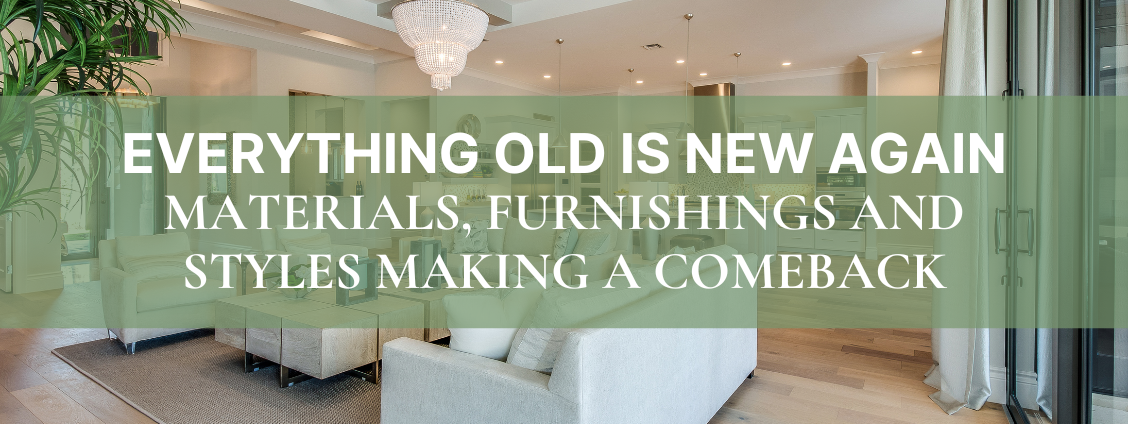
Vintage style is making a comeback with modern updates that blend timeless charm, smart technology, sustainability, and everyday comfort.
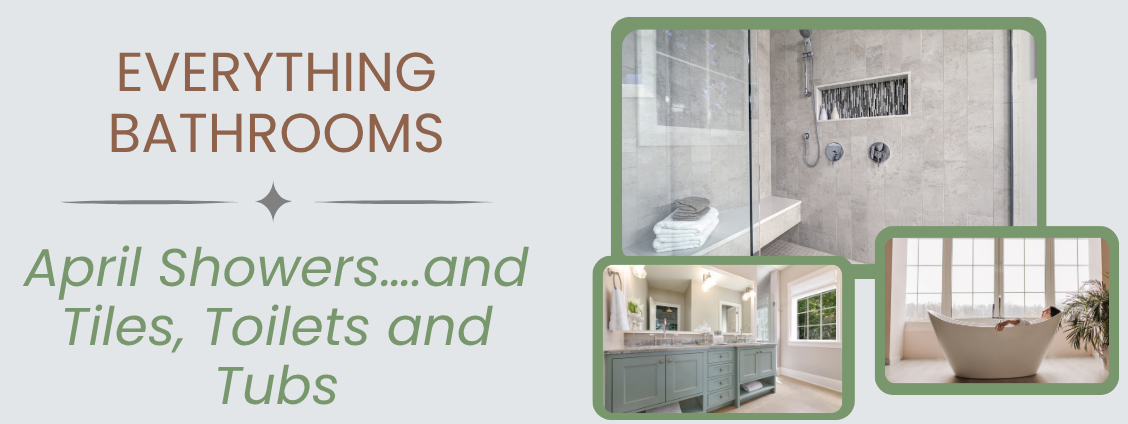
Refresh your bathroom this spring with smart design ideas, stylish upgrades, and functional features that bring comfort, efficiency, and everyday luxury home.

Winter's gone — is your home ready? Check your roof, gutters, foundation, deck, and more with Susan's spring home maintenance bootcamp checklist.
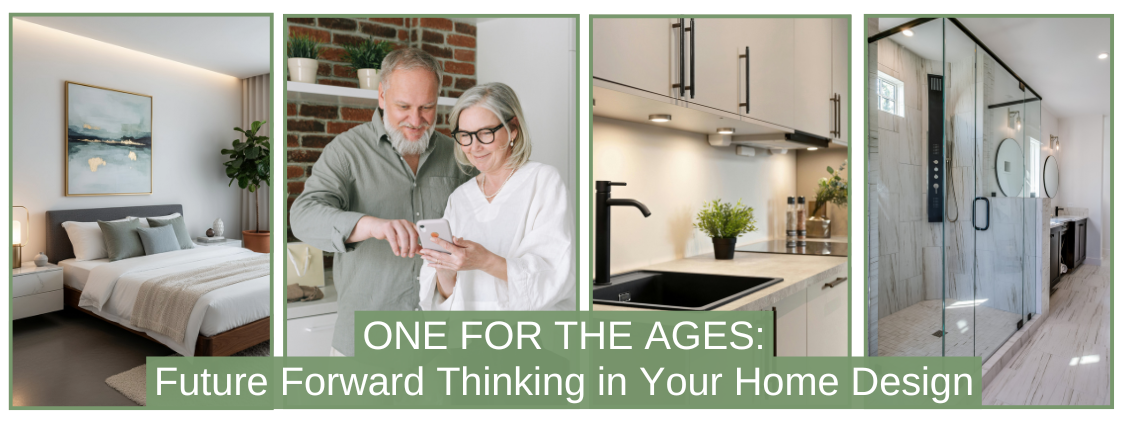
Thoughtful design today makes aging in place easier tomorrow. Learn how flexible layouts, smart features, and planning ahead support lifelong independence.

Discover how interior design supports retirement planning—balancing lifestyle, aging in place, and home value to create comfort, flexibility, and long-term confidence.